East Africa
Chinese truck parts for Ethiopia: HOWO, Djibouti and the road network
Ethiopia: Sinotruk dominates one state fleet, imports run through Djibouti, vehicles are left-hand drive. What to stock and what to send us.
- Prepared by
- CAP Parts Team
- Published
- Reading time
- 5 min read
- References
- 5 sources
Key facts
Checked on
- Sinotruk in the ESLSE fleet
- Sinotruk heavy trucks dominate the inland transport fleet of Ethiopian Shipping and Logistics Services Enterprise (ESLSE); in 2022 its board approved purchase of 185 6x4 tractors with 3-axle semi-trailers from Sinotruk International and Yemkab.Source: China's Sinotruk gains dominance in ESLSE's fleet (Capital Ethiopia) · Checked on
- Reported import ban (2025)
- Ethiopian local media reported on 15 August 2025 that the customs commission had banned imports of large Sinotruk trucks over safety and technical defects and granted no exceptions in the following two months (as relayed by MarkLines).Source: MarkLines news (Japanese) on Ethiopia Sinotruk import ban · Checked on
- Djibouti gateway
- Ethiopia uses the port of Djibouti as its gateway for 90 to 95% of its trade, with most goods moved to and from the port by truck.Source: Ethiopia Country Commercial Guide: Roads, Railways and Logistics (US ITA) · Checked on
- Electric railway
- The 656 km Addis Ababa-Djibouti electric railway cuts Djibouti-Modjo (dry port 70 km from Addis) transit from 84 hours to 10 hours.Source: Ethiopia Country Commercial Guide: Roads, Railways and Logistics (US ITA) · Checked on
- All-weather roads
- Ethiopia had 144,024 km of all-weather roads at end of FY2019/20, about 41% of the required road network.Source: Ethiopia Country Commercial Guide: Roads, Railways and Logistics (US ITA) · Checked on
- Driving side
- Ethiopia drives on the right, so vehicles are left-hand drive.Source: Left- and right-hand traffic (Wikipedia) · Checked on
Key takeaways
Sinotruk heavy trucks dominate the inland fleet of the state logistics enterprise ESLSE; its board approved 185 6x4 tractors with trailers in 2022.
Ethiopia drives on the right, so trucks are left-hand drive, unlike Kenya, Tanzania, Uganda and Zambia.
Djibouti is the gateway for 90 to 95% of Ethiopian trade; the electric railway cut Djibouti to Modjo transit from 84 hours to 10 hours.
MarkLines relayed an Ethiopian local-media report of 15 August 2025 that the customs commission banned imports of large Sinotruk trucks over safety and technical defects; check the current position with customs and your dealer before buying trucks, and ask us about parts case by case.
On this page
- 01Which brands run in Ethiopia
- 02What a state-scale fleet teaches a small operator
- 03Left-hand drive and what it changes
- 04The Djibouti chain and what it means for lead time
- 05Roads and what wears
- 06Before you order for a left-hand-drive truck
- 07Checking the import position for heavy trucks
- 08Getting parts in
- 09Main cities: how parts reach them
- 10What to send us for a quote
Short answer: Ethiopia is a left-hand-drive market whose Chinese-truck fleet, led by Sinotruk, works on a road network that reaches only part of the country and on a Djibouti supply route. Plan parts for hard road duty and a long chain, and check current import rules for heavy trucks before you buy. We quote parts against a part number, VIN or photo.
Which brands run in Ethiopia
The Capital Ethiopia report says Sinotruk heavy trucks dominate the inland transport fleet of ESLSE, the state shipping and logistics enterprise, and that in 2022 its board approved purchase of 185 6x4 tractors with 3-axle semi-trailers from Sinotruk International and Yemkab. That makes 6x4 tractors a large single fleet type for Sinotruk / HOWO parts. We have no verified data for other fleets and do not claim a market share.
MarkLines relayed an Ethiopian local-media report of 15 August 2025 that the customs commission banned imports of large Sinotruk trucks over safety and technical defects. Check the current position with customs and your dealer before buying trucks, and keep their answer in writing. For parts, tell us what you plan to import and we answer for the item.
What a state-scale fleet teaches a small operator
Whatever size your fleet, the ESLSE purchase shows a pattern worth copying: one truck type bought in numbers (here 6x4 tractors with 3-axle semi-trailers) makes parts planning simple, because every spare you hold serves many trucks. A small Ethiopian operator can do the same at its own scale: standardise on one or two truck types where possible, keep one register of plates and part numbers per type, and buy consumables for the whole group in one order. Mixed fleets are the expensive case, because each type needs its own spares list. We do not know the parts policy of ESLSE or any other fleet and do not describe it; the point is the method, not their numbers.
Left-hand drive and what it changes
Ethiopia drives on the right, so trucks are left-hand drive, the opposite of Kenya, Tanzania, Uganda and Zambia. A quote or catalogue entry that comes from an East African neighbour may be for the right-hand-drive version. For cab, pedal, steering and mirror parts, say left-hand drive and send photos so we can confirm the right version.
| Item | Left-hand drive question |
|---|---|
| Cab and mirrors | Confirm side and version |
| Pedal and steering column parts | Confirm the handed part |
| Wiring and switches | Confirm if driver-side items differ |
The Djibouti chain and what it means for lead time
Ethiopia uses the port of Djibouti for 90 to 95% of its trade, with most goods moved by truck. The 656 km Addis Ababa-Djibouti electric railway cut Djibouti-Modjo transit (Modjo is a dry port 70 km from Addis) from 84 hours to 10 hours. For parts that is a two-part plan: sea freight to Djibouti, then road or rail inland. Ask your agent which leg is faster for your cargo; do not assume. Clearing at Djibouti and inland both take time that should be in your reorder plan.
Roads and what wears
Ethiopia had 144,024 km of all-weather roads at the end of FY2019/20, about 41% of the required network, so many trucks leave good roads. General workshop knowledge: rough roads load suspension, axle and hub parts, tyres, brakes and cooling. A first list to review with your workshop:
- Suspension and axle parts (axles and suspension).
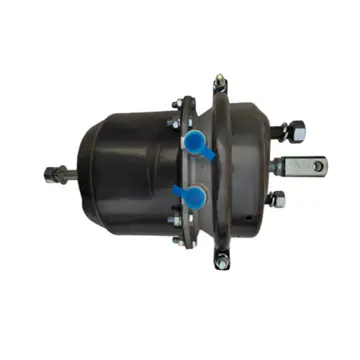
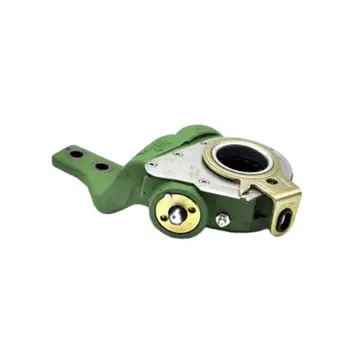
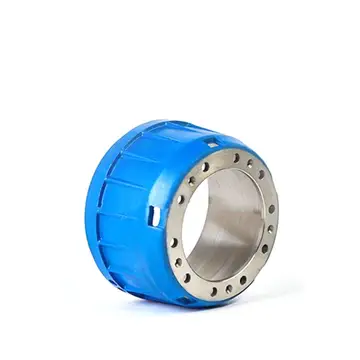
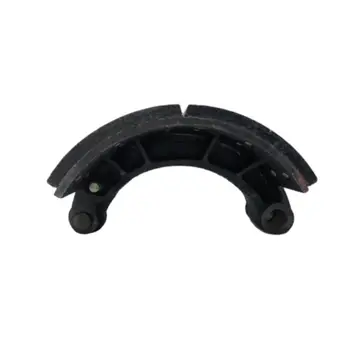
- Brake chambers, slack adjusters, drums and shoes (air brakes).
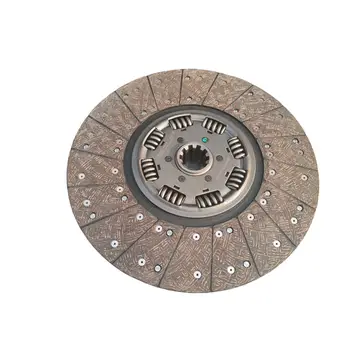
- Clutch and gearbox wear parts (clutch and gearbox).
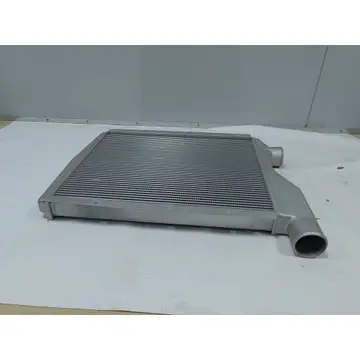
- Filters, water pump and cooling parts (cooling and filtration).
Intervals come from your truck manual.
Before you order for a left-hand-drive truck
Parts catalogues and price lists circulating for East Africa are frequently built around right-hand-drive trucks, which is the majority there. For an Ethiopian truck, the practical risk is receiving a part for the wrong side. A simple routine avoids it:
- Photograph the old part in place before removing it, so the side and mounting are visible.
- Photograph it again on a bench from two sides after removal.
- Write on the enquiry: left-hand drive, steering side, VIN.
- When the part arrives, put it next to the old one before opening the workshop job.
| Part type | Side-sensitive? | What to do |
|---|---|---|
| Mirrors, cab trim, pedal sets | Often | State left-hand drive and send photos |
| Steering column and linkage | Often | State left-hand drive, send plates |
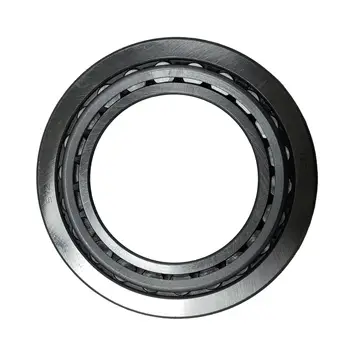
| Brake chambers, filters, bearings | Usually the same either side, but versions vary | Send the number and photo, we confirm the version |
Checking the import position for heavy trucks
Because of the reported 2025 restriction, a buyer weighing a heavy-truck purchase should ask three things in writing before paying: whether the model can be imported now, under which authority, and what proof is issued. Keep the answer with the purchase file. Parts are a separate question and may not be covered by the same rule; ask your customs agent, and send us the list so we can tell you what we can quote.
Getting parts in
Pre-export verification exists in Ethiopia for some listed products. Ask your clearing agent whether it covers your truck parts, and which pre-export checks and documents apply, before the order is placed, and tell us so we can see what paperwork you expect.
Main cities: how parts reach them
Dire Dawa
Dire Dawa is 327 km by rail from Djibouti, and the railway reached it on 24 December 1902. It is an industrial centre, home to several markets and the Dire Dawa Airport, and one of two chartered cities in Ethiopia. For a truck-parts buyer, that puts Dire Dawa on the Djibouti side of the country, so goods for trucks working there take a shorter inland leg than goods for the capital. Tell us the delivery city and whether you clear at Djibouti or inland.
What to send us for a quote
Part number or VIN; photos of the old part from two sides and the plates; steering side (left-hand drive); quantity; and whether delivery is to Djibouti, to Modjo or to Addis Ababa. We confirm the exact version before quoting and do not state fitment from a model name. Terms by agreement: quote page or contact us. See also engine parts.
Truck part groups to look at
Frequently asked questions
- Which Chinese brand is most visible in Ethiopian freight?
- Sinotruk heavy trucks dominate the inland fleet of ESLSE per Capital Ethiopia (2022); this is one fleet, not a market share.
- Is Ethiopia left-hand drive?
- Yes. Ethiopia drives on the right, so trucks are left-hand drive. Confirm side for cab and steering parts.
- How do parts reach Ethiopia?
- Mostly via the port of Djibouti, which carries 90 to 95% of Ethiopian trade, then by road or the electric railway to Modjo.
- Are Sinotruk imports banned in Ethiopia?
- MarkLines relayed an Ethiopian local-media report of 15 August 2025 that the customs commission banned imports of large Sinotruk trucks over safety and technical defects. Check the current position with customs and your dealer.
- How good is the road network for trucks?
- About 41% of the required all-weather network existed at end FY2019/20 (144,024 km), so expect rough-road wear.
- What do you need to quote a part?
- A part number, VIN or photos of the part and plates, steering side, quantity and destination.
Sources
- [1]China's Sinotruk gains dominance in ESLSE's fleet. Capital Ethiopia.
- [2]MarkLines news on Ethiopia Sinotruk import ban. MarkLines.
- [3]Ethiopia Country Commercial Guide: Roads, Railways and Logistics. US International Trade Administration.
- [4]Left- and right-hand traffic. Wikipedia.
- [5]Dire Dawa. Wikipedia.