East Africa
Chinese truck and bus parts for Kenya
Kenya: Sinotruk is assembled locally, traffic keeps left, KEBS and Mombasa shape imports. What to stock for Chinese trucks and how to order from us.
- Prepared by
- CAP Parts Team
- Published
- Reading time
- 7 min read
- References
- 12 sources
Key facts
Checked on
- Sinotruk in Kenya
- Sinotruk launched its H2 light-duty and H3 medium-duty trucks in Kenya in July 2025 with CFAO Mobility as local distributor, and said its trucks are locally assembled in Kenya.Source: China's Sinotruk launches new truck models in Kenya (Xinhua) · Checked on
- Chinese electric buses
- Associated Vehicle Assemblers (AVA) said it would assemble 130 BYD electric buses in Kenya in 2023, having already assembled 15 BYD electric buses from imported parts.Source: Kenya to assemble 130 Chinese electric buses in 2023 (The Standard) · Checked on
- Driving side
- Kenya drives on the left (left-hand traffic, so right-hand-drive vehicles).Source: Left- and right-hand traffic (Wikipedia) · Checked on
- Diesel sulphur
- Kenya, Tanzania, Uganda, Burundi and Rwanda were due to cut diesel sulphur from 500 ppm to 50 ppm from January 2015 under EAC and UNEP documents (actual national roll-out dates not verified).Source: East Africa move to cleaner fuels to soak up new low-sulphur supplies (BusinessDay, Reuters report) · Checked on
- Used spare parts
- In 2019 KEBS said it had not banned used motor vehicle spare parts as a whole; the ban applies to specific used spare parts only (list of banned categories not verified).Source: KEBS denies banning importation of used car spare parts (The Standard) · Checked on
- Import tariff
- Kenya applies the EAC Common External Tariff; sensitive items listed in Schedule 2 of the CET attract duty above 25%.Source: Kenya Country Commercial Guide: Import Tariffs (US ITA) · Checked on
- Trade blocs
- Kenya is also a member of COMESA alongside the EAC, which shapes its customs and trade obligations.Source: Kenya Country Commercial Guide: Customs Regulations (US ITA) · Checked on
- Port of Mombasa
- Mombasa port handled 45.45 million tonnes in 2025 (Kenya Ports Authority), including 15.88 million tonnes of transit cargo for landlocked neighbours, notably Uganda, up 19.5% year on year.Source: Port of Mombasa (Wikipedia, citing Kenya Ports Authority) · Checked on
Key takeaways
Sinotruk says its trucks are assembled in Kenya and sold through CFAO Mobility, so HOWO owners have a local dealer; independent fleets and workshops still buy spares from importers.
Kenya drives on the left, so vehicles are right-hand drive: send the cab type and steering side with every cab, mirror or steering enquiry.
KEBS said in 2019 that used spare parts are not banned as a whole, only specific ones; confirm the current rules with your clearing agent before buying used parts.
Most cargo for Kenya comes through Mombasa, a port that handled 45.45 million tonnes in 2025, so plan transit and clearing time into your reorder point.
On this page
- 01Which brands run in Kenya, and what that means for parts
- 02Right-hand drive and fuel: which parts differ
- 03What wears first and what a Kenyan fleet usually stocks
- 04Getting parts into Kenya
- 05Buying through a dealer, an importer or direct: how to choose
- 06A short reorder routine for a Kenyan fleet
- 07Checklist before you order
- 08Main cities: how parts reach them
- 09What to send us for a quote
Short answer: Chinese trucks in Kenya are backed by a local Sinotruk assembly and distributor, but fleets, tipper contractors and workshops still need a second source for wear parts and for older models. We supply Chinese truck and bus spares to Kenya against a part number, VIN or photo; the sections below say what is specific to Kenya and what to send us.
Which brands run in Kenya, and what that means for parts
Sinotruk is the clearest case. In July 2025 it launched its H2 light-duty and H3 medium-duty trucks in Kenya with CFAO Mobility as distributor, and said the trucks are assembled locally. For a fleet that buys these new, the dealer is the first stop for warranty work. For everyone else (second-hand HOWO tippers, older tractors, trucks bought through other channels) the practical source is an independent parts importer. Buses are a different story: the 2023 plan to assemble 130 BYD electric buses shows Chinese buses entering Kenya, but electric drivetrains are outside our truck and bus mechanical range, so ask us before assuming a part is covered.
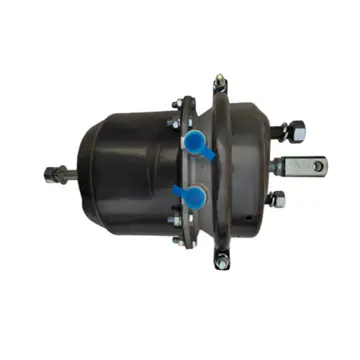
Local assembly does not mean every part is on a shelf in Nairobi or Mombasa. It means a dealer network exists; what each fleet needs in volume (brake chambers, filters, clutch parts) is decided by your own usage. We do not state stock, price or delivery terms on this page; ask for a quotation and we answer for your list.
Right-hand drive and fuel: which parts differ
Kenya drives on the left, so trucks are normally right-hand drive. Anything on the steering side is built for that: pedal assemblies, steering column parts, mirrors and some cab trim. If you order cab or steering parts, say that the vehicle is right-hand drive and send a photo of the part from the driver position.
On fuel, East African documents planned a cut in diesel sulphur from 500 ppm to 50 ppm from January 2015 for Kenya, Tanzania, Uganda, Burundi and Rwanda. We did not verify when each country actually applied it, so do not assume what your trucks run on. Check the engine plate and the fuel your depot really buys, and tell us if your truck has emission equipment. Engine parts and the fuel and air filters are the groups where this matters most.
| Question | Why it matters for the order | What to send |
|---|---|---|
| Steering side (right-hand drive in Kenya) | Cab, pedal, steering and mirror parts are handed | Photo from the driver seat |
| Engine make and plate | Same truck model can carry different engines | Engine plate photo |
| Emission equipment fitted? | Decides fuel-system and exhaust parts | Description or photo of the exhaust side |
| Tipper, tractor or bus? | Wear pattern and part groups differ | Vehicle type and body |
What wears first and what a Kenyan fleet usually stocks
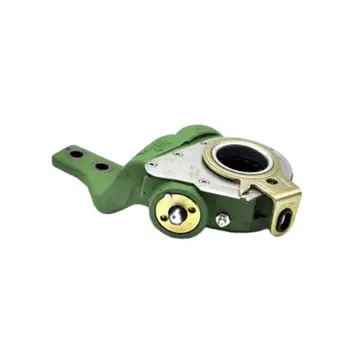
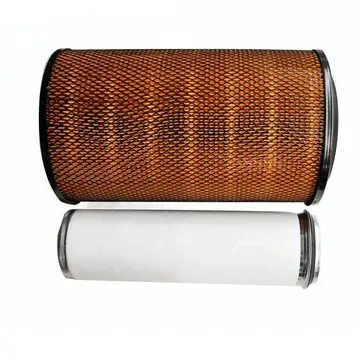
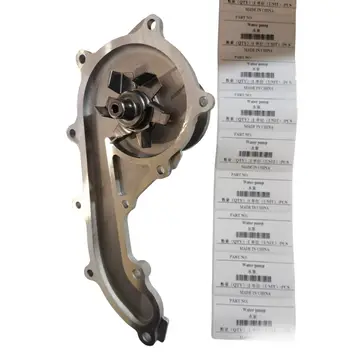
General workshop knowledge, not a service schedule: tippers on construction and quarry work wear brakes, clutch components, hub bearings and suspension first; long-haul tractors on the Mombasa corridor spend their money on filters, tyres, brake parts and clutch work. Dust and heat load the filters and the cooling system, so filters and cooling parts are cheap, repeating orders. Air-brake systems need a regular look at chambers, slack adjusters and the dryer, see air brakes. Follow the maintenance manual of your own truck for intervals; we do not give numbers here.
A sensible first order for a small fleet is a short list of consumables you know you will use, not a pallet of everything. Build it from your workshop records, then add items as the trucks tell you.
Getting parts into Kenya
Three points, each to be confirmed with your clearing agent because rules change:
- Used parts. KEBS said in 2019 that used spare parts are not banned across the board, only specific ones. The list was not verified. We supply new parts; if you are weighing used parts, check with KEBS first.
- Duty. Kenya applies the EAC Common External Tariff, and items in the sensitive list attract duty above 25%. Your agent will classify each part; send us the part names so the commercial invoice matches what you plan to declare.
- Port. Mombasa handled 45.45 million tonnes in 2025, of which 15.88 million tonnes was transit cargo for neighbours, mainly Uganda. A busy port means you should keep clearing time in your planning and not order at the last minute.
Kenya is also in COMESA as well as the EAC, which affects customs treatment. Ask your agent whether any part of your shipment is covered.
Buying through a dealer, an importer or direct: how to choose
A Kenyan operator has three routes and each fits a different job. The dealer route suits trucks that are new, under warranty or tied to a service contract; keep those on dealer parts if the warranty terms say so. The importer route suits older or mixed fleets where you want a short list quickly and can collect from a local counter. The direct route, which is where we fit in, suits a workshop, fleet or reseller that knows the part it needs and wants to compare a quotation against its current cost, or that wants parts the local counters do not carry.
| Route | Good for | Watch out for |
|---|---|---|
| Dealer | New trucks, warranty, scheduled service | Warranty terms; price against other routes |
| Local importer | Quick collection of common consumables | Authenticity claims you cannot check; ask which version is supplied |
| Direct from us | Planned orders, comparison quotes, less common parts | Transit and clearing time; ask your agent early |
Whatever the route, keep a record of the part number on the box and a photo of the part when it arrives. If the same part is supplied twice under different numbers, the record is how you spot it. We do not claim any route is cheaper; compare quotations on the same part version.
A short reorder routine for a Kenyan fleet
- Once a month, list what the workshop used: part, quantity, truck.
- Mark the parts that stopped a truck; those go on the on-site spares list.
- Add the transit and clearing time your agent gave you, and order before the stock reaches that point.
- Send us the list with photos for anything you are not sure of, so we confirm the version before the order is placed.
Checklist before you order
- Write down the truck make, model and year, and the engine make.
- Photograph the VIN plate, engine plate and the old part from two sides.
- Note steering side (right-hand drive) and whether it is a tipper, tractor or bus.
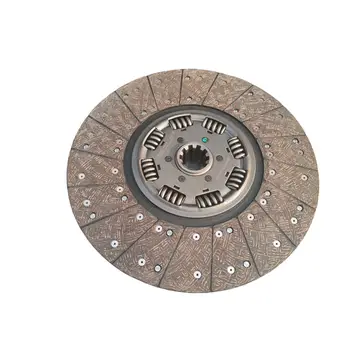
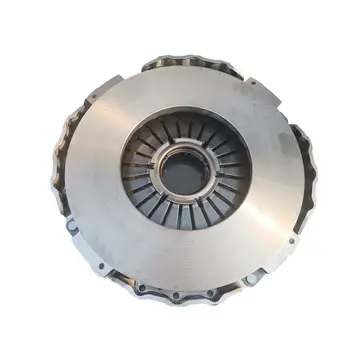
- List the parts you want to replace together (for example clutch disc and pressure plate).
- Tell us the port and clearing agent you plan to use.
Main cities: how parts reach them
Nairobi
Parts for Nairobi mostly come up from Mombasa. Kenya Ports Authority lists an Inland Container Depot at Nairobi that is linked to Mombasa by both road and rail, with a stacking yard able to handle over 450,000 TEUs per year. The Mombasa-Nairobi Standard Gauge Railway is 472 km long, opened on 31 May 2017 and started commercial freight on 1 January 2018, ending at Nairobi Terminus. Nairobi stands at 1,795 metres above sea level, so for cooling and air-intake parts on fleets working there, tell us the altitude and duty when you enquire. Give us the delivery address and say whether you clear at Mombasa or at the Nairobi depot.
Mombasa
Mombasa is Kenya’s only international seaport and the biggest port in east Africa; Kenya Ports Authority says it handled 45.45 million tonnes of cargo in 2025, with container traffic up 5.5 per cent to 2.11 million TEU. For a parts buyer that means your order lands here first, whether it ends up in Kenya or goes on by road to Uganda: the Mombasa - Malaba - Kampala road is 1170 km and the Northern Corridor authority gives an average transit time of 5 days from Mombasa to Kampala in 2016. The 472 km railway to Nairobi is the other route inland. Tell us if the consignee collects at Mombasa or if the goods are in transit.
What to send us for a quote
Send the part number if you have it, the VIN, or clear photos of the old part and the plates, plus quantity and your destination (Mombasa or inland). We confirm the exact version before quoting, and we do not state fitment from a truck model alone. Use the quote page or contact us. Related reading: HOWO / Sinotruk parts and the engine parts group.
Truck part groups to look at
Frequently asked questions
- Are Chinese trucks assembled in Kenya?
- Sinotruk said in July 2025 that its trucks are locally assembled in Kenya, sold through CFAO Mobility. Other brands may differ; confirm with the dealer.
- Does Kenya drive on the left?
- Yes. Kenya has left-hand traffic, so vehicles are right-hand drive. Mention this for cab, steering and mirror parts.
- Can I import used truck spare parts into Kenya?
- KEBS said in 2019 that used spare parts are not banned as a whole, only specific ones. Check the current KEBS rules with your clearing agent before buying used parts.
- What duty applies to spare parts in Kenya?
- Kenya applies the EAC Common External Tariff; sensitive items attract duty above 25%. The rate for your part depends on classification, so ask your clearing agent.
- Which port is used for parts shipped to Kenya?
- Mombasa is Kenya's main port and handled 45.45 million tonnes in 2025. Confirm routing and clearing time with your agent.
- What do you need to quote a part for my truck?
- A part number, the VIN or clear photos of the part and the vehicle plates, plus quantity and destination. We confirm the exact version before quoting.
Sources
- [1]China's Sinotruk launches new truck models in Kenya (Xinhua). Xinhua via The Star Malaysia.
- [2]Kenya to assemble 130 Chinese electric buses in 2023. The Standard (Kenya).
- [3]Left- and right-hand traffic. Wikipedia.
- [4]East Africa move to cleaner fuels to soak up new low-sulphur supplies. BusinessDay (Reuters report).
- [5]KEBS denies banning importation of used car spare parts. The Standard (Kenya).
- [6]Kenya Country Commercial Guide: Import Tariffs. US International Trade Administration.
- [7]Kenya Country Commercial Guide: Customs Regulations. US International Trade Administration.
- [8]Port of Mombasa. Wikipedia.
- [9]Inland Container Depots. Kenya Ports Authority.
- [10]Mombasa-Nairobi Standard Gauge Railway. Wikipedia.
- [11]Nairobi. Wikipedia.
- [12]Road Network (Northern Corridor). Northern Corridor Transit and Transport Coordination Authority.