West Africa
Chinese truck and bus parts for Nigeria
Which Chinese trucks and buses run in Nigeria, what that means for spare parts, how conformity checks apply, and what to send us for the exact part.
- Prepared by
- CAP Parts Team
- Published
- Reading time
- 7 min read
- References
- 11 sources
Key facts
Checked on
- Shacman assembly
- Transit Support Services (ABC Transport group) assembles Shacman heavy trucks and tractors in Nigeria, using part of the ANAMMCO plant in Emene, Enugu.Source: TSS to assemble Chinese trucks in ANAMMCO · Checked on
- Yutong and Sinotruk assembly
- Chisco Motors is assembling Yutong luxury buses and Sinotruk trucks in Nigeria.Source: Transport moguls shift focus to vehicle assembling · Checked on
- Coach market
- Yutong buses have become the dominant coach brand in Nigeria, overtaking European brands such as Mercedes-Benz and Volvo in popularity (press claim, no share figure).Source: Transport moguls shift focus to vehicle assembling · Checked on
- Sinotruk cab plant
- Sinotruk opened a truck cab factory in Lagos with a full CKD line (panel welding, painting, final assembly), understood to be the first full truck-cab CKD operation in the region.Source: SinoTruk launches cab CKD assembly in Nigeria · Checked on
- Driving side
- Nigeria (like the rest of former British West Africa) has switched to right-hand traffic, so vehicles are left-hand drive.Source: Left- and right-hand traffic · Checked on
- SONCAP
- SONCAP is a pre-shipment verification of conformity process used to verify that products imported into Nigeria meet the applicable Nigerian Industrial Standards or approved equivalents and technical regulations before shipment.Source: SONCAP · Checked on
- VehCAP
- SON and NADDC have rolled out the Vehicle Conformity Assessment Programme (VehCAP), a pre-import verification framework for vehicles and automotive components entering Nigeria.Source: Nigeria: SON, NADDC Launch Vehcap to Curb Substandard Vehicle Imports · Checked on
- Ports
- Apapa in Lagos hosts port facilities run by the Nigerian Ports Authority, including the Apapa Port Complex and Tin Can Island Port.Source: Apapa · Checked on
Key takeaways
Sinotruk, Shacman and Yutong all have assembly or distribution activity in Nigeria, so fleets run a mix of locally assembled and imported vehicles. Always identify a part by the truck nameplate or VIN, not by the model name alone.
Nigeria drives on the right, so vehicles are left-hand drive. Steering, mirror and cab parts follow the standard left-hand-drive Chinese versions.
Conformity rules are changing: SONCAP is the long-standing pre-shipment process, and SON and NADDC have launched VehCAP for vehicles and automotive components. Ask your clearing agent whether SONCAP or VehCAP applies to the parts you import before shipping.
Most cargo from China comes through Lagos (Apapa Port Complex and Tin Can Island Port).
Send the part number, VIN or a clear photo and we confirm the exact version before you order.
On this page
- 01Which Chinese brands run in Nigeria
- 02Driving side and what it changes
- 03What wears first and what to stock
- 04Getting parts into Nigeria
- 05Locally assembled or imported: why it matters when you order
- 06Ports, driving side and the parts list
- 07Checklist before you order
- 08Main cities: how parts reach them
- 09What to send us for a quote
Short answer: Nigeria’s Chinese fleet is a mix of locally assembled and imported Sinotruk, Shacman and Yutong vehicles, all left-hand drive. For parts this means identifying each unit by VIN or nameplate rather than by badge, and checking current conformity rules (SONCAP, VehCAP) with your clearing agent before a shipment leaves China. Send us the part number, VIN or a photo and we confirm the exact version.
Which Chinese brands run in Nigeria
Nigeria is one of the few markets where Chinese heavy-truck makers are building vehicles on the ground, not only importing them. According to BusinessDay, Transit Support Services (part of the ABC Transport group) assembles Shacman heavy trucks and tractors at part of the ANAMMCO plant in Emene, Enugu. Vanguard reports that Chisco Motors is assembling Yutong luxury buses and Sinotruk trucks, and that Yutong has become the dominant coach brand, ahead of European names such as Mercedes-Benz and Volvo (a press claim, with no share figure given). Truck & Bus Builder reports that Sinotruk has opened a cab factory in Lagos with a full CKD line for panel welding, painting and final assembly.
What this means for a parts buyer:
| Situation | Practical consequence |
|---|---|
| Locally assembled truck or bus | The build specification can differ from the same badge imported complete. Read the nameplate and VIN, not only the model name. |
| Imported complete vehicle | Parts follow the export specification of that production year. A photo of the old part is the safest reference. |
| Several brands in one fleet | Group your list by brand and system. See Sinotruk and Shacman for the part groups we handle, and the bus brands for coaches. |
We do not claim that any listed part fits a particular model. We recommend parts by system, then confirm the exact version against the number or photo you send.
Driving side and what it changes
Nigeria drives on the right, like the rest of former British West Africa, so vehicles are left-hand drive. That is the standard layout of Chinese trucks and buses, so mirrors, steering linkage and cab hardware are the common left-hand-drive versions. You do not need to look for mirrored (right-hand-drive) variants. If you also buy for a neighbouring right-hand-drive market, keep those orders on a separate list.
What wears first and what to stock
Our sources do not publish Nigerian road-condition statistics, so the table below is general workshop knowledge, not a Nigerian measurement. Heavy-haul, tipper and long-distance coach work tends to load the same parts everywhere.
| Group | Typical wear items | Why they matter |
|---|---|---|
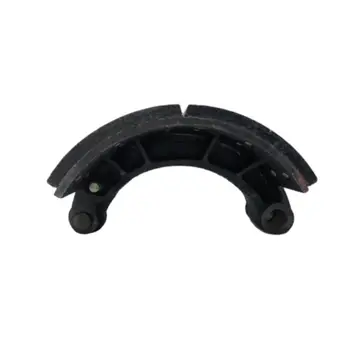
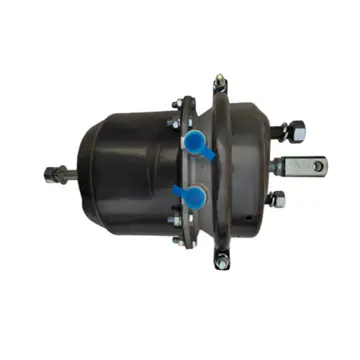
| Air brakes | Brake shoes and linings, drums, brake chambers, slack adjusters | Brake parts are consumed on every trip and are safety-critical. See air brake parts. |
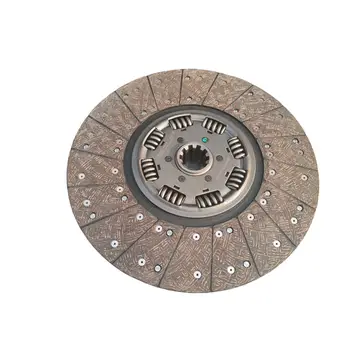
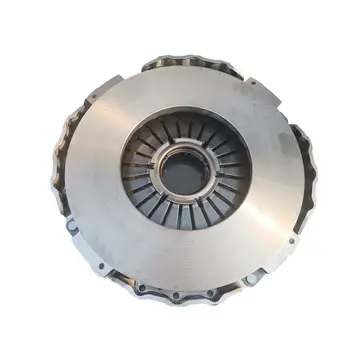
| Clutch and gearbox | Clutch discs, pressure plates, release bearings, slave cylinders | Stop-start traffic and overloaded tippers wear clutches early. See clutch and gearbox. |
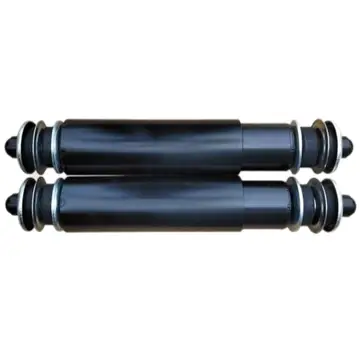
| Suspension and axles | Shock absorbers, leaf-spring pins, hub bearings, oil seals | Rough surfaces and heavy loads hit these first. See axles and suspension. |
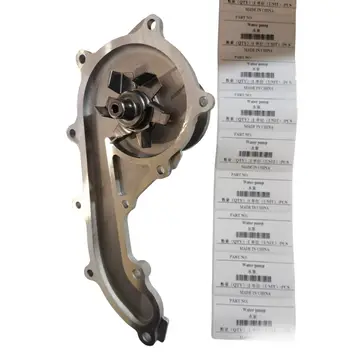
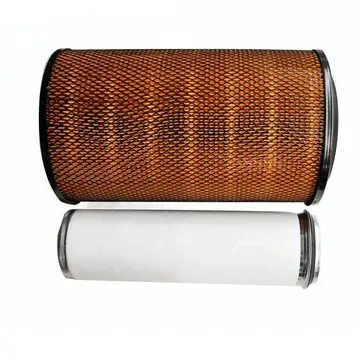
| Cooling and filtration | Water pumps, hoses, oil, fuel and air filters | Heat and dust shorten filter life; keep spares by the workshop. See cooling and filtration. |
| Electrical | Alternators, starters, relays, lamps | Frequent failures on older units; usually quick to replace if on the shelf. |
A sensible first order for a new workshop or small fleet is a small number of every wear item, with extra filters and brake parts. Exact quantities depend on your fleet; we can help you build a list if you send the vehicle list.
Getting parts into Nigeria
Two points are sourced:
- SONCAP is the Standards Organisation of Nigeria’s pre-shipment verification of conformity process, used to check that imported products meet the applicable Nigerian Industrial Standards or approved equivalents before shipment.
- VehCAP is the Vehicle Conformity Assessment Programme rolled out by SON and NADDC, a pre-import verification framework for vehicles and automotive components.
Before you order, ask your clearing agent whether SONCAP or VehCAP applies to each spare-part category you import, and which certificate and start date apply today. We will not guess at certificates or duties.
Sea cargo usually arrives through Lagos. Apapa hosts the Apapa Port Complex and Tin Can Island Port, both run by the Nigerian Ports Authority. Agree the delivery point and who clears the goods before you pay.
Locally assembled or imported: why it matters when you order
A truck that left an assembly line in Enugu or Lagos and a truck shipped complete from China can wear the same badge and still carry different component choices, because CKD kits are specified separately from complete units. We do not publish a list of those differences, and we do not guess them. The practical habit is simple. Record, for every unit, how it arrived (assembled locally or imported), the year, and the VIN, and keep that record next to the parts list. When a part is replaced, keep the old one until the new one is confirmed correct, and photograph it before it goes to scrap. A photo of the old part with its number is the fastest way for us to confirm the right version, and it protects you from paying freight on a part that does not match.
For buses, the same rule applies. Yutong coaches are common in long-distance service, and coach operators usually run tight schedules, so the parts that stop a coach are the ones worth holding: filters, belts, brake parts, door and air-system valves, and common electrical items. Browse the bus parts catalogue for the systems we handle.
Ports, driving side and the parts list
Put the logistics on the order itself. Nigerian sea freight is normally discharged at Lagos, where Apapa hosts the Apapa Port Complex and Tin Can Island Port, so name the port on every quote request and ask your agent which terminal the shipment will use. Because Nigeria is left-hand drive, you can order the standard cab, mirror and steering versions without a side marker, but write “left-hand drive” on the order anyway; it removes a question and prevents mix-ups when you also buy for a right-hand-drive country. Keep SONCAP and VehCAP paperwork in the same file as the order, so each shipment can be traced to the documents used.
Checklist before you order
- Write down the truck or bus make, model, year and VIN for every unit.
- Photograph the old part from two sides with the number visible.
- Note whether the unit was locally assembled or imported.
- Ask your clearing agent which conformity documents apply to spare parts today.
- Decide the order: wear items first, then slower-moving assemblies.
Main cities: how parts reach them
Lagos
Lagos has three ports (Apapa, Tin Can Island and the Lekki deep-sea port), four expressways (to Badagry, Abeokuta, Ibadan and Calabar) and a standard-gauge rail link to Abeokuta and Ibadan. The ports of Apapa and Tin-Can are Nigeria’s two main seaports for maritime freight and together handle around 70% of the country’s imports (French Treasury, 2024). Tin Can Island Port is on an island seven kilometres due west of the centre of Lagos across Lagos Harbor and opened in 1977. For parts, that means almost every container for Nigerian fleets passes through one of these terminals first. Tell us which port your agent plans to use and where the truck is based.
Kano
The Dala Inland Dry Port in Kano was declared a Port of Origin and Final Destination on 5 August 2022 and commissioned on 30 January 2023; the Kaduna Dry Port was the first inland dry port in Nigeria. In June 2024 the government relaunched the rail freight service that serves the Kano dry port from the Apapa seaport. For a northern fleet, this gives a second way to clear goods: at the Lagos port or at the inland dry port. Give us the delivery city and say which of the two your clearing agent will use.
What to send us for a quote
- Make, model, year and VIN (or a photo of the chassis plate).
- The part number or two photos of the part, with measurements if you can.
- Quantity per item and whether the order is for one unit or a fleet.
- Your delivery port and clearing arrangements.
- Any conformity document your agent asks for, so we can see what is needed on our side.
Use the quote page or the contact page. For another West African market see Ghana, or browse all markets.
Truck part groups to look at
Frequently asked questions
- Which Chinese truck brands are assembled in Nigeria?
- Reports name Shacman (assembled by Transit Support Services at part of the ANAMMCO plant in Enugu) and Sinotruk (Chisco Motors, plus a cab CKD factory in Lagos). Chisco also assembles Yutong buses.
- Are Chinese trucks in Nigeria left-hand drive?
- Yes. Nigeria uses right-hand traffic, so vehicles are left-hand drive, which is also the standard layout of Chinese trucks and buses.
- Does SONCAP apply to truck spare parts?
- SONCAP is a pre-shipment conformity process for imported products. Ask your clearing agent whether it applies to the spare-part codes you import.
- What is VehCAP?
- The Vehicle Conformity Assessment Programme launched by SON and NADDC, a pre-import verification framework for vehicles and automotive components. Ask your clearing agent whether it applies to the parts you import.
- Which port do spare parts usually come through?
- Lagos is the main gateway: Apapa hosts the Apapa Port Complex and Tin Can Island Port, run by the Nigerian Ports Authority. Confirm the discharge port with your agent.
- How do you make sure I get the right part?
- Send the part number, VIN or photos. We confirm the exact version before you order and do not match parts by model name alone.
Sources
- [1]TSS to assemble Chinese trucks in ANAMMCO. BusinessDay.
- [2]Transport moguls shift focus to vehicle assembling. Vanguard.
- [3]SinoTruk launches cab CKD assembly in Nigeria. Truck & Bus Builder.
- [4]Left- and right-hand traffic. Wikipedia.
- [5]SONCAP. Standards Organisation of Nigeria.
- [6]Nigeria: SON, NADDC Launch Vehcap to Curb Substandard Vehicle Imports. allAfrica.
- [7]Apapa. Wikipedia.
- [8]Lagos. Wikipedia.
- [9]L'industrie portuaire au Nigeria. Direction Generale du Tresor (France).
- [10]Tin Can Island Port. Wikipedia.
- [11]Nigerian Shippers Council (inland dry ports). Nigerian Shippers Council.