East Africa
Chinese truck parts for Uganda: HOWO, Foton and more
Uganda: Double Q assembles Sinotruk, Foton opened a Kampala plant, imports come via Mombasa and PVOC applies. What to stock and what to send us.
- Prepared by
- CAP Parts Team
- Published
- Reading time
- 6 min read
- References
- 8 sources
Key facts
Checked on
- Sinotruk assembly (Double Q)
- Double Q, Sinotruk's distributor in Uganda, began operating in 2013, inaugurated its assembly plant in 2019, and started building a larger plant on 15 acres on the Mpigi highway designed for 1,000 vehicles a year.Source: Ugandan Sinotruk assembler targets regional market (The Independent, Uganda) · Checked on
- Foton plant
- BAIC FOTON officially opened a commercial vehicle assembly plant in Kampala, Uganda, linked to Uganda's import-substitution policy.Source: BAIC FOTON Opens Assembly Plant in Uganda (China Truck News) · Checked on
- Driving side
- Uganda drives on the left (left-hand traffic); LHT was introduced in the Protectorate of Uganda under British rule.Source: Left- and right-hand traffic (Wikipedia) · Checked on
- Diesel sulphur
- Kenya, Tanzania, Uganda, Burundi and Rwanda were due to cut diesel sulphur from 500 ppm to 50 ppm from January 2015 under EAC and UNEP documents (roll-out not verified).Source: East Africa move to cleaner fuels to soak up new low-sulphur supplies (BusinessDay, Reuters report) · Checked on
- PVOC
- Uganda's customs process requires a PVOC certificate among the mandatory import documents (ask your clearing agent whether spare parts are covered).Source: Uganda Country Commercial Guide: Customs Regulations (US ITA) · Checked on
- Transit via Mombasa
- Transit cargo through Mombasa for landlocked neighbours, notably Uganda, was 15.88 million tonnes in 2025, up 19.5% year on year (figure is all transit cargo; Uganda named as main user).Source: Port of Mombasa (Wikipedia, citing Kenya Ports Authority) · Checked on
Key takeaways
Two Chinese brands have local assembly stories in Uganda: Sinotruk (Double Q, plant inaugurated 2019, larger plant under way) and BAIC FOTON (plant opened in Kampala).
Uganda is landlocked and relies on Mombasa: 15.88 million tonnes of transit cargo went through Mombasa in 2025, notably for Uganda, so plan for transit and a longer chain.
A PVOC certificate is among the mandatory import documents in Uganda's customs process; ask your clearing agent whether it covers spare parts before you order.
Uganda drives on the left, so trucks are right-hand drive; send the steering side with cab and steering parts.
On this page
- 01Which brands run in Uganda
- 02A landlocked country: what that does to a parts order
- 03Left-hand traffic and fuel
- 04Two assembly plants, one fleet question
- 05Genuine or fake: how to protect yourself
- 06What to stock
- 07Assembled in Uganda: what to tell the supplier
- 08Planning stock when the chain is long
- 09PVOC and import paperwork
- 10Main cities: how parts reach them
- 11What to send us for a quote
Short answer: Uganda’s Chinese-truck fleet is served by Sinotruk (Double Q) and Foton assembly operations, but parts still arrive through a long landlocked chain via Mombasa and a PVOC document requirement. Start from the exact part, plan the transit and ask first what PVOC covers. We quote against a part number, VIN or photo.
Which brands run in Uganda
Double Q, Sinotruk’s distributor, began operating in Uganda in 2013, inaugurated an assembly plant in 2019 and started a larger plant on 15 acres on the Mpigi highway, designed for 1,000 vehicles a year (The Independent). BAIC FOTON separately opened a commercial vehicle assembly plant in Kampala, linked to Uganda’s import-substitution policy (China Truck News, 2025).
For a parts buyer this has a specific meaning: Uganda has two Chinese truck makes assembled in the country, so trucks of different ages and sources are likely in one fleet. A truck assembled from kits in Kampala may use different parts from the same model sold elsewhere, so we do not assume anything from the model name. Send the plate and the old part. See Sinotruk / HOWO and Foton Auman.
A landlocked country: what that does to a parts order
Uganda has no seaport. Mombasa moved 15.88 million tonnes of transit cargo for landlocked neighbours in 2025, up 19.5% on the year, with Uganda named as the main user. Practical consequences, all general:
| Step | Risk for the order | What helps |
|---|---|---|
| Sea freight to Mombasa | Busy port | Order before stock is empty |
| Transit by road to Uganda | Extra handling, extra documents | One clear parts list with names and quantities |
| Import clearance in Uganda | PVOC document required in the process | Ask your agent early what your parts need |
| Delivery to Kampala or inland | A truck off the road waits | Keep critical spares on site |
For this reason a Ugandan fleet should hold a small stock of parts whose failure stops a truck, rather than counting on ordering after the breakdown.
Left-hand traffic and fuel
Uganda drives on the left; trucks are right-hand drive. Say so for cab, pedal, mirror and steering parts. Diesel sulphur was planned to fall from 500 ppm to 50 ppm from January 2015 across the EAC, and we did not verify national roll-out. Check the engine plate and the fuel you buy; fuel-system and engine parts depend on it.
Two assembly plants, one fleet question
Because both Sinotruk and Foton have plants in the country, a Ugandan buyer should expect to meet two groups of trucks: those assembled locally and those imported complete, possibly used. When you build your parts list, keep the two groups apart in the fleet register and note which group each truck belongs to. It helps in a second way: if a part fails early on several trucks of one group, you have a pattern to show the supplier, with plates and photos, instead of an anecdote.
Genuine or fake: how to protect yourself
A Ugandan newspaper article on car spare parts warns that some dealers repackage old parts in good-looking boxes. General rule for any supplier, including us: do not judge a part by the box. Compare the part to your old one, check markings and dimensions, and ask the supplier which version of the part is quoted. We confirm the exact version before quoting. See our guides for how to identify parts.
What to stock
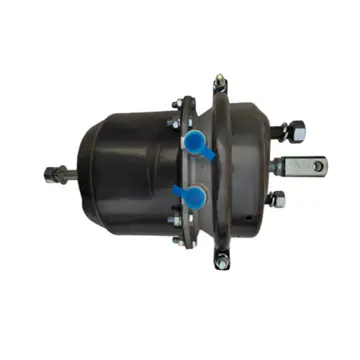
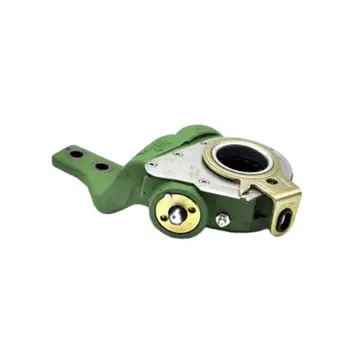
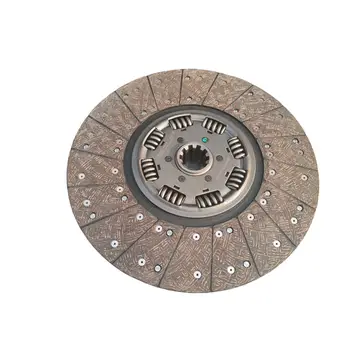
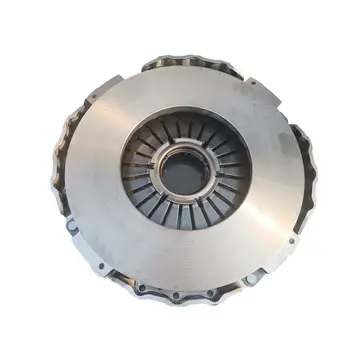
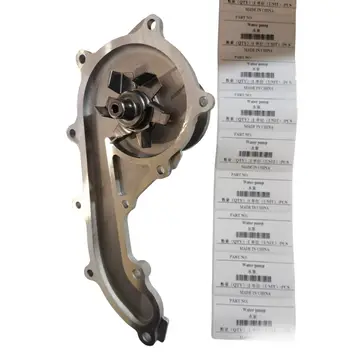
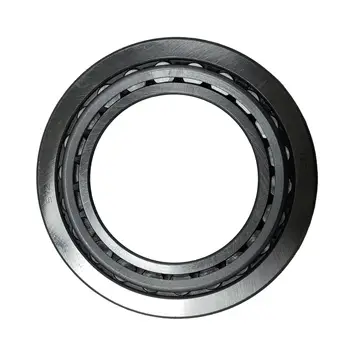
General workshop knowledge, not a schedule: heavy tippers and tractors working on mixed roads wear brake parts, clutch components, hub bearings, filters and cooling parts first. Review air brakes, clutch and gearbox and cooling and filtration for your fleet and keep the short list that stops a truck. Use the truck manual for intervals.
Assembled in Uganda: what to tell the supplier
Two assembly plants raise a question that buyers elsewhere rarely have: where was your truck built, and from what kit? Neither news item says which parts are fitted to which truck, so we make no statement about it. What you can do is record the facts that identify the truck: the VIN, the plate with the model code, the engine plate, and the year it entered service. If the truck was assembled locally, say so in the enquiry. It costs nothing and lets us ask the right follow-up question, for example for a photo of a sub-assembly, before quoting.
| What you know | What to send |
|---|---|
| Part number on the old part | Photo of the number plus photo of the whole part |
| No number, part is worn | Photos from two sides, a ruler or tape in the picture for size, and the truck plates |
| Several parts of one system | One list, grouped by system (for example brakes), with the same truck plates |
| Truck assembled locally | Say so, with VIN and engine plate |
Planning stock when the chain is long
A landlocked chain turns a small part into a long wait, so the planning question is not “what is cheap” but “what stops a truck”. Sort your parts into three bands. Band one: parts whose failure stops the truck on the road (brake components, clutch parts, hub bearings, belts, hoses). Keep at least one set on site. Band two: consumables used every service (filters, gaskets, seals). Order in a planned batch. Band three: everything else; order on demand and accept the wait. Revisit the bands every quarter from your workshop records, and move a part up a band the first time it stops a truck.
PVOC and import paperwork
Uganda’s customs process lists a PVOC certificate among the mandatory import documents. Ask your clearing agent whether spare parts need one and what rules apply to parts; confirm and the standards body what your shipment needs, before it is shipped, and tell us so we can see what documents you expect.
Main cities: how parts reach them
Kampala
Kampala is at the far end of the Northern Corridor: the Mombasa - Malaba - Kampala road is 1170 km and the corridor authority gives an average transit time of 5 days from Mombasa to Kampala in 2016. The Uganda Railway line reached Kampala in 1931, which is why the city has long been tied to Mombasa Port. Efforts are under way to relocate heavy industry to the Kampala Business and Industrial Park at Namanve, about 14 kilometres east of the city centre, so heavy-vehicle fleets and workshops may sit outside the central districts. For a Kampala order, the clearing and transit steps at Mombasa belong in your lead time. Tell us whether to deliver to a central address or to Namanve, and who clears the goods at Mombasa.
What to send us for a quote
Part number or VIN, or photos of the old part from two sides and the plates; quantity; and whether you want delivery to Kampala or to a transit agent in Mombasa. Mention if the truck was assembled locally. We confirm the exact version and do not state fitment from a model name alone. Terms by agreement: quote page or contact us.
Truck part groups to look at
Frequently asked questions
- Who assembles Sinotruk trucks in Uganda?
- Double Q, Sinotruk's distributor, inaugurated an assembly plant in 2019 and began a larger plant on the Mpigi highway (The Independent, Uganda).
- Is there a Foton plant in Uganda?
- BAIC FOTON officially opened a commercial vehicle assembly plant in Kampala, according to China Truck News (2025).
- Do spare parts need a PVOC certificate in Uganda?
- Uganda's customs process lists a PVOC certificate among mandatory documents; ask your clearing agent whether spare parts are covered.
- How do parts reach Uganda?
- Uganda is landlocked; Mombasa handled 15.88 million tonnes of transit cargo in 2025, notably for Uganda. Confirm routing with your agent.
- Does Uganda drive on the left?
- Yes. Trucks are right-hand drive, so tell us the steering side for cab and steering parts.
- How can I tell a genuine part from a repackaged one?
- Compare it with the old part, check markings and dimensions, and ask which version is quoted. A newspaper article in Uganda warns of repackaged old parts.
Sources
- [1]Ugandan Sinotruk assembler targets regional market. The Independent (Uganda).
- [2]BAIC FOTON Opens Assembly Plant in Uganda. China Truck News.
- [3]Left- and right-hand traffic. Wikipedia.
- [4]East Africa move to cleaner fuels to soak up new low-sulphur supplies. BusinessDay (Reuters report).
- [5]Uganda Country Commercial Guide: Customs Regulations. US International Trade Administration.
- [6]Port of Mombasa. Wikipedia.
- [7]Road Network (Northern Corridor). Northern Corridor Transit and Transport Coordination Authority.
- [8]Kampala. Wikipedia.