Guides
Which Parts Wear First on Chinese Tippers in Mining and Quarry Work
What wears first on HOWO and Shacman tippers in mine, quarry and heavy-haul work, how to read the signs and plan maintenance stock without guessing.
- Prepared by
- CAP Parts Team
- Published
- Reading time
- 8 min read
- References
- 2 sources
Key takeaways
In mine and quarry work the first parts to go are usually brakes, tyres and wheel-end parts, clutch (on manual trucks), suspension and tipping-body hydraulics.
Dust attacks air filters, hoses and seals; heat and load attack brakes, cooling parts and clutch.
Plan stock from inspection findings and work orders, not from a general interval chart; check the manual for the service schedule.
Keep a few truck-stopping small parts per group on the shelf and order large assemblies when needed.
On this page
- 01What the sellers say, and what is missing
- 02Wear-first table
- 03Use inspections, not a calendar
- 04Reading the signs: duty makes the difference
- 05Per-system wear check
- 06How to inspect and record failures so you can size your stock
- 07Where mistakes in stock planning come from
- 08Plan maintenance stock from what you find
- 09What to send us for a quote
Short answer: On tippers working in mines, quarries and heavy-haul routes, the parts that wear first are generally those that take load, shock and dust: brakes, wheel-end bearings and seals, tyres, leaf springs and bushings, the clutch on manual trucks, air and hydraulic hoses and filters. Exact intervals depend on the truck, load and road, so plan from your own inspection records and the manufacturer manual.
What the sellers say, and what is missing
Supplier guides and product pages for HOWO tipper and mining-truck parts list mining upgrades buyers sometimes ask for, such as thicker floor steel, reinforced side plates, stronger tipping cylinders or mining tyres, and some quote engine life in kilometres. None of those figures is backed by a checkable source, so we do not repeat them. What is missing is a plain list of what wears, why, and what to stock. That is what this guide gives, in careful words and without intervals. Sinotruk’s own site shows mining dump models for heavy-haul work (Sinotruk mining dump truck page), but it gives no wear data.
Wear-first table
| System | Part | Why it wears in this work | Early signs to inspect |
|---|---|---|---|
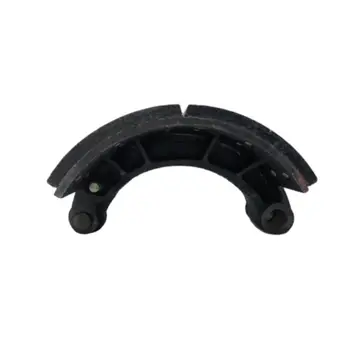
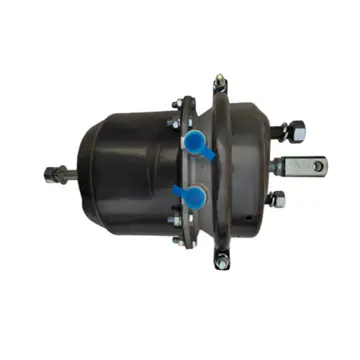
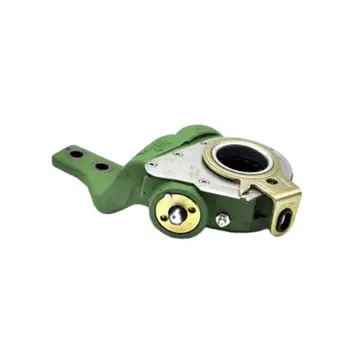
| Air brakes | Brake shoes or pads, drums or discs, slack adjusters, brake chambers | Heavy loads, long downhill runs, frequent stops | Thin lining, scoring, heat marks, long pushrod stroke, air leaks |
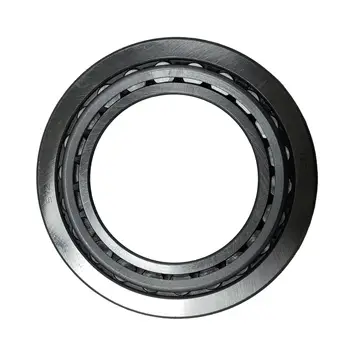
| Wheel ends | Hub bearings, oil seals, wheel studs and nuts | Shock loads and dust get past seals | Oil at the hub, noise, play when the wheel is lifted, loose nuts |
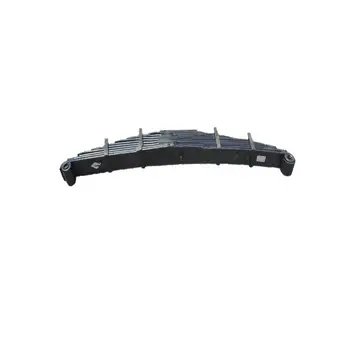
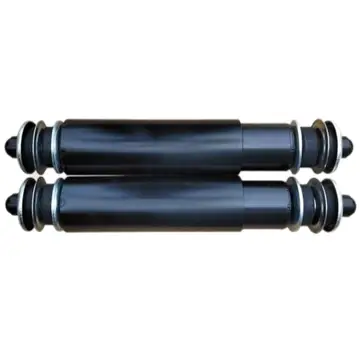
| Suspension | Leaf springs, pins and bushes, shock absorbers, torque rod bushes | Overload, rough surface, twisting loads | Cracked leaves, shifted axle, worn bushes, leaking shocks |
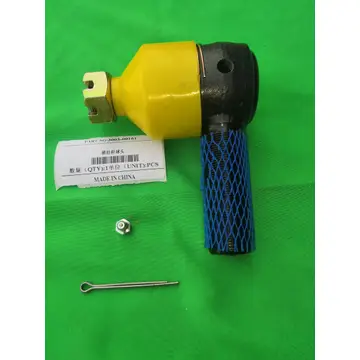
| Steering | Tie rod and drag link ends | Impact on rough haul roads | Play at the steering wheel, torn dust boots |
| Clutch and gearbox | Clutch disc, pressure plate, release bearing, slave cylinder | Starts under load on slopes | Slipping, hard pedal, judder, fluid loss |
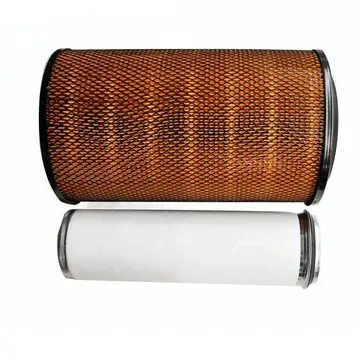
| Engine intake and cooling | Air filter elements, hoses, radiator, water pump, belts | Dust, heat, vibration | Restriction indicator, cracked hoses, coolant loss, belt wear |
| Fuel system | Fuel filters, water separator parts | Poor fuel quality, dust | Loss of power, water in the bowl |
| Tipping body and hydraulics | Hoses, seals, pump, valves, hoist cylinder seals | Load, dirt and heat | Oil seepage, slow lift, uneven lift |
| Electrical | Starter, alternator, relays, connectors, lights | Vibration, water and dust | Slow cranking, charging faults, flickering lights |
Tyres are a large wear cost in this work but most operators buy them locally; we focus on the truck parts on our axles and suspension and air brake pages.
Use inspections, not a calendar
For a mine or quarry duty cycle, check the manual for the manufacturer’s schedule and then shorten or add inspections based on what you find. A practical approach:
- Daily walk-round: hub oil, tyre damage, air leaks, hose chafe, tipping body pins.
- Weekly: air filter restriction, brake lining thickness, slack adjuster stroke, leaf spring condition, fluid levels.
- Each service: replace filters; inspect hub bearings and seals; check suspension bushes and steering joints; test starter and alternator output.
- Record everything. A wear part with a dated record can be planned; a part found worn without a record is a surprise.
Reading the signs: duty makes the difference
Two tippers of the same model can wear very differently. Short, loaded cycles with many starts load the clutch and brakes; long downhill hauls load the brakes and cooling; dusty pits load the intake, hoses and seals; rough ramps load springs, bushes and steering joints. Before you decide stock, write the duty of each truck in one line (for example “quarry face to crusher, short loaded cycle, dusty”) and note which of the rows above you expect to dominate. Then compare that expectation with what the workshop actually replaces over three months. Where they disagree, trust the workshop records.
Also keep the failed part. A worn brake shoe, a leaking hub seal or a cracked leaf tells you more about the cause (overload, dust, misalignment, wrong version) than the invoice does, and a photo of it is the quickest way for us to confirm the right replacement.
Per-system wear check
| System | What to measure or look at | What to write down | What it tells your stock plan |
|---|---|---|---|
| Brakes | Lining thickness, drum or disc condition, pushrod stroke, air leaks | Date, truck, axle position, reading | Shoes, chambers and slack adjusters per axle position |
| Wheel ends | Play, hub oil, noise, nut tightness | Date, wheel position, finding | Bearing and seal sets, studs and nuts |
| Suspension | Spring leaves, centre bolts, bushes, shock leaks | Date, side, finding | Bushes, pins, shocks; leaf springs as order items |
| Steering | Joint play, boots, leaks | Date, finding | Tie rod and drag link ends |
| Clutch | Pedal feel, slipping, fluid level | Date, symptom | Disc, plate, release bearing, cylinders |
| Intake and cooling | Filter restriction, hose condition, coolant level, belt | Date, finding | Filters, hoses, belts, water pump |
| Hydraulics | Oil seepage, lift speed, pin wear | Date, finding | Hoses, seals, pump and valve items |
| Electrical | Cranking, charging, connectors | Date, symptom | Starter, alternator, relays, connectors |
How to inspect and record failures so you can size your stock
Stock sizing is only as good as the records behind it. A simple routine works for a small fleet and scales up:
- Give every truck a number and every wheel position a code, so a finding such as “rear axle, left outer hub seal” is always written the same way.
- Use one line per event: date, truck, system, part, symptom, what was done, hours or kilometres since the last event, and whether the truck stopped.
- Mark whether the failure was a normal wear-out, an early failure, or damage. Early failures and damage are a reason to ask why, not to stock more.
- Photograph the removed part and the plate data of the truck, and keep them with the work order.
- Once a month, count events per part type. Parts with many events and a stopped truck move up the stock list; parts with one event in a year stay as order-when-needed items.
- Compare the count with what you actually used from the shelf, so the stock level follows real use.
This is the same method as in the first-year spares guide, applied to heavy-haul duty.
Where mistakes in stock planning come from
Most stock problems in heavy-haul fleets are not about the wrong brand of part; they come from planning habits. The first is stocking by catalogue: a long list copied from a supplier sheet fills the shelf with items that never move, while the parts that stop trucks are missing. The second is stocking by the last emergency: after a bad week with one failed part, the shelf gets ten of it and the cause, such as a leaking seal or an overloaded axle, is never fixed. The third is mixing versions: a worn part is replaced by one that looks the same but differs in length, spline count or connector, and the truck returns to the workshop. A fourth is ignoring storage; filters, hoses and seals kept in dust and sun age before they are used. Fix these four and the stock list becomes smaller and more useful. Ask the workshop foreman which three parts caused the most stopped days last year and start the list there, then add consumables, then the single spares of truck-stopping items.
Plan maintenance stock from what you find
- Use your own work orders. Count replacements per truck per year for each part type in the table above.
- Stock consumables (filters, belts, hoses, seals) and wear items (brake shoes, hub seals, bushes) deeper than large assemblies.
- Keep one of each truck-stopping item in the group: water pump, starter, key relays, brake chamber, tie rod end.
- Treat axle housings, gearboxes and engines as order-when-needed items unless your downtime records say otherwise.
- Match parts to the exact truck: send the VIN or plate photos; do not assume that two trucks of the same name share axles or gearboxes.
For the general method, see the first-year spares guide.
What to send us for a quote
- Truck make, model and VIN, and engine, gearbox and axle plate photos.
- The worn part, in photos from two sides, with any numbers visible.
- The work it does (mine, quarry, heavy haul), load and route if you know them.
- The quantity you plan to stock and your destination country.
Use the quote page or contact us. We confirm the exact part version before quoting; terms are by agreement.
Truck part groups to look at
Frequently asked questions
- What parts wear out first on a HOWO dump truck?
- In heavy work, typically brake linings, wheel-end bearings and seals, suspension bushes and springs, the clutch on manual trucks, and filters and hoses exposed to dust. Check the manual and your own inspection records.
- How often should I replace brake shoes on a mining tipper?
- There is no single interval. Measure lining thickness at each inspection, follow the manufacturer minimum, and let load and route set how often you inspect.
- What should a mining contractor keep as spares?
- Filters, belts, hoses, brake shoes, slack adjusters, hub seals and bearings, bushes, a few relays and sensors, and a starter and water pump per group. Order large assemblies when needed.
- Do Chinese trucks need different maintenance in dusty conditions?
- The principle is the same for any truck: check intake filters, hoses and seals more often in dust. Follow the manual and shorten checks based on what you find.
- Can I use one parts list for all my tippers?
- Only for trucks with the same engine, gearbox and axle. Group trucks by plates before you build the list.
- Where can I see which tipper parts you list?
- See the truck part groups for engine, brakes and axles, and our Sinotruk and Shacman brand pages.
Sources
- [1]HOWO Mining Dump Truck page. Sinotruk / CNHTC.
- [2]HOWO vs Shacman for Tanzania (seller guide). Shandong ZW Vehicle Group.