Guides
First-Year Spare Parts List for a Fleet of Chinese Trucks (HOWO, Shacman)
Build a first-year spare parts list for HOWO and Shacman tippers and tractors: what to keep by system and how to size it from your own records.
- Prepared by
- CAP Parts Team
- Published
- Reading time
- 7 min read
- References
- 1 source
Key takeaways
Build the list by system (engine, clutch and gearbox, air brakes, axles, cooling and filtration, electrical) and rank each line by what stops the truck.
Size it from your own failure and service records; where you have none, start small and let the first six months of work orders correct it.
Stock the cheap, frequent, truck-stopping items deep; stock the expensive, rare items as one unit or none, and plan to order them.
Every line needs an identifier: part number, VIN or a nameplate photo, so the part you stock is the part the truck uses.
On this page
- 01Why a copied list does not work
- 02Step 1: Write down what you run
- 03Step 2: Group the list by system
- 04Step 3: Rank each line
- 05Step 4: Size the list from your own numbers
- 06Tippers, tractor units and mixed fleets
- 07Store and rotate what you buy
- 08Step 5: Checklist before you place the order
- 09What to send us for a quote
Short answer: A first-year spares list for a Chinese truck fleet is a short list of consumables, wear items and truck-stopping small parts, grouped by system and sized from your own service records, not copied from a catalogue. Keep the fast-moving items on the shelf, keep one of the critical electronic or air parts per group, and order large assemblies when you need them. There is no universal quantity, so this guide gives a method instead.
Why a copied list does not work
Generic “HOWO spare parts list” catalogues are mostly part names, photos and sometimes export prices. They tell you what exists, not what your fleet will actually use. A tipper in a quarry and a tractor on a paved corridor wear different parts, and a fleet of ten does not need the same depth as a fleet of a hundred. The better starting point is your own trucks: ask your dealer or parts supplier to check the list against the exact models you run, and carry a spare for each type of sensor in use if a sensor failure can stop a truck.
Step 1: Write down what you run
Before any part goes on the list, record for every truck: make and model, VIN, engine plate (engine make, model, emission level), gearbox model, axle type, and the work it does (quarry, construction, long-haul, mixed). Two trucks with the same badge can carry different engines, gearboxes or axles, so group the fleet by these plates, not by brand name. Our HOWO and Sinotruk brand page and Shacman page show the series we list parts for.
Step 2: Group the list by system
| System | Typical items to stock | Why they are on the list |
|---|---|---|
| Engine | Oil filters, fuel filters, air filter elements, drive belt, belt tensioner, gasket sets | Consumed at every service; a missed filter delays the whole truck |
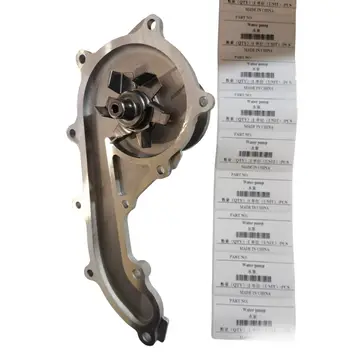
| Cooling | Water pump, thermostat, radiator hoses, expansion tank cap | Overheating can damage the engine; hoses and pumps fail without much warning |
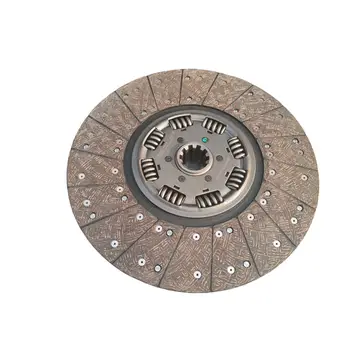
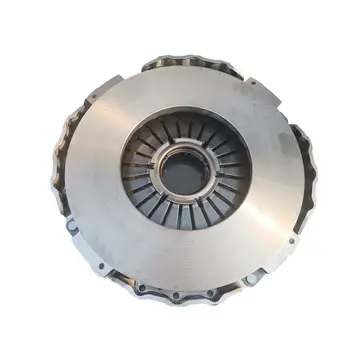
| Clutch and gearbox | Clutch disc and pressure plate, release bearing, clutch master and slave cylinder | Wear items on trucks with frequent starts under load |
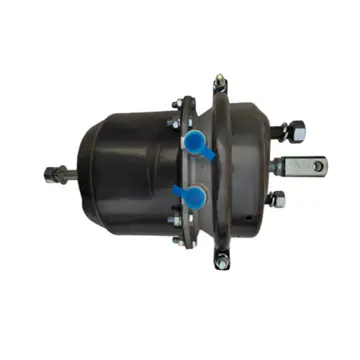
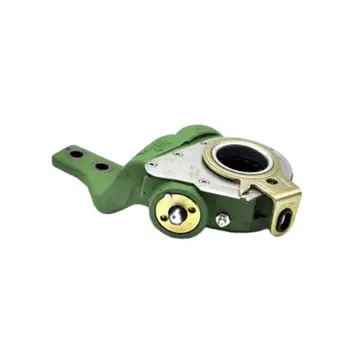
| Air brakes | Brake shoes or pads, brake chambers, slack adjusters, air dryer cartridge or unit, relay and protection valves | A truck with a failed air brake part should not be driven |
| Axles, suspension and steering | Hub bearings and seals, leaf spring parts, shock absorbers, tie rod and drag link ends, wheel studs and nuts | Heavy loads and rough roads wear these first |
| Electrical | Starter motor, alternator, relays, fuses, sensors, bulbs and switches | Small parts that cause a stopped truck |
| Cab and body | Mirrors, door handles, wiper parts, tipping hydraulic hoses and seals | Safety items and downtime on tipper bodies |
See the matching part groups: engine, clutch and gearbox, air brakes, axles and suspension, cooling and filtration and electrical.
Step 3: Rank each line
Give every line two scores, from your own judgement or your workshop records:
- How often does it fail or get replaced? (frequent, occasional, rare)
- What happens when it fails? (truck stops, truck runs but unsafe, truck runs with a fault, no effect)
Then decide the stocking rule:
| Frequent / truck stops | Occasional / truck stops | Rare / truck stops | Frequent / no stop |
|---|---|---|---|
| Stock several, reorder when you reach your minimum | Stock one per group of similar trucks | Do not stock; know your supplier and lead time | Buy with each service |
Large assemblies (engine, gearbox, axle) are the “rare / truck stops” case. Holding them is a business decision, not a first-year parts list item. If a truck has been down for an assembly, record the delay; that record is what justifies stocking it next year.
Step 4: Size the list from your own numbers
Use a method, not a guess:
- Take the last 12 to 24 months of work orders for each truck group. Count how many times each part type was replaced.
- Divide by the number of trucks to get replacements per truck per year.
- Multiply by the number of trucks in the group and by the number of months of cover you want to carry. Decide that cover with your supplier’s lead time in mind.
- Add one unit of each truck-stopping item that fails rarely.
- Review after six months and adjust each line up or down.
Worked example (illustrative numbers only, not a recommendation): if a fleet of 10 tippers replaced a given brake chamber 4 times last year, that is 0.4 per truck per year. For three months of cover you would plan roughly one unit, which you round up to a sensible order quantity. A fleet with no records should begin with consumables and one unit of each truck-stopping part, and track every replacement from day one.
Some parts differ by engine, axle or emission level, so confirm the exact version before ordering a full stock.
Tippers, tractor units and mixed fleets
The same system table applies to every heavy truck, but the weight of each line changes with the job. A tipper in quarry or construction work usually puts more load on brakes, wheel ends, springs and the tipping hydraulics, so those lines deserve more depth. A tractor unit on long routes runs many more kilometres, so filters, belts, the cooling system, the clutch and tyres turn over more often, while body parts matter less. If you run buses or minibuses beside trucks, treat them as their own group: doors, air suspension and cabin electrics matter there, and our bus catalogue is organised for that. Do not merge the lists of different duty types; build one per group and then compare, because the comparison shows you where your records differ from your assumptions.
Store and rotate what you buy
A spares list only works if the parts are still good when you need them. Keep filters in their packaging, flat and dry, away from fuel and solvent vapour. Rubber parts such as hoses, boots, seals and bushes age with heat, sun and ozone, so store them out of direct light and away from electric motors, and use the oldest first. Write the receipt date on each box and issue stock first in, first out. Keep electrical parts, sensors and relays in a clean, dry cabinet and in their anti-static or sealed packs. Keep bearings wrapped and oiled as supplied, and never open a sealed pack until the part is fitted. Check the shelf once a quarter: remove anything damaged, correct the count in your records, and compare the minimum level with what was actually used. Mark parts that were bought for one truck group so they are not pulled for another by mistake.
Step 5: Checklist before you place the order
- Every line has a part number, VIN or nameplate photo, not just a name.
- The list is split by truck group (same engine, gearbox and axle).
- Consumables are bought per service interval from the manual, not from this guide.
- Air-brake and steering parts are on the list before comfort items.
- Lead time for slow items is known from the supplier, and the minimum level covers it.
- Storage plan: rubber parts, filters and electrical items kept clean and out of heat and sun.
What to send us for a quote
- Your fleet list: make, model, VIN and engine / gearbox / axle plate photos for each group.
- The list of parts you intend to stock, with part numbers if you have them, or photos of the old part.
- Where the trucks work, so we can suggest what to add.
- Your destination country and any quantities you have in mind.
Send it through the quote page or the contact page. We confirm the exact version of each part before quoting, and terms are by agreement.
Truck part groups to look at
Frequently asked questions
- What spare parts should I keep for a HOWO or Shacman truck?
- Start with consumables (filters, belts), wear items in the clutch, brakes and hubs, and truck-stopping small parts such as relays, sensors, hoses and the water pump. Group them by system and size them from your own service records.
- How many spare parts should a fleet stock?
- There is no fixed number. Count replacements per truck per year from your work orders, multiply by trucks and months of cover, and add one unit of rare truck-stopping parts. Review after six months.
- Should I stock an engine or gearbox as a spare?
- Usually not in the first year. Large assemblies are expensive and rarely needed; record any downtime waiting for one and decide next year with real data.
- Is it better to buy a full "spare parts package"?
- A package is only useful if it matches your trucks and work. Check each line against your own list and the exact version of each part before buying.
- How do I make sure the part matches my truck?
- Send the part number from the old part, the VIN or a photo of the nameplate and the part itself. We confirm the exact version before quoting.
- Where can I find a parts catalogue for my truck?
- Use the manufacturer or dealer parts book for your exact model and VIN, and use our catalogue pages to see the part types we list.
Sources
- [1]HOWO vs Shacman for Tanzania (seller guide). Shandong ZW Vehicle Group.