Guides
WD615 and WP10 engine parts: wear parts, overhaul kits and how to identify your engine
Main wear and overhaul parts for Weichai WD615 and WP10 truck and bus engines, how to read the nameplate, and what to send for an exact quote.
- Prepared by
- CAP Parts Team
- Published
- Reading time
- 7 min read
- References
- 2 sources
Key takeaways
Most WD615 and WP10 jobs come down to a short list: liner, piston and ring sets, gasket sets, bearings, injectors, turbocharger, water and oil pumps.
WD615 and WP10 are only family names. The exact version is read from the engine nameplate and serial number, not from the truck badge.
Liners, pistons and rings are usually replaced together as one kit during an overhaul.
For a turbocharger or injector, the number on the old part is often a better match key than the engine model.
To quote, send a nameplate photo, the VIN and the old part (number or photos). We confirm the exact version before you order.
On this page
Short answer: The parts that usually need replacing on a Weichai WD615 or WP10 are the cylinder liner, piston and ring set, head and overhaul gaskets, bearing shells, injectors, the turbocharger and the water and oil pumps. To buy the right version, read the model and serial number from the engine nameplate and send them with the VIN and a photo of the old part.
Why “WD615” and “WP10” are not enough
Parts shops list these engines as families. The same listing page can name several engine designations together; one supplier title, for example, covers WD618, WD615, WD12, WP12, WD10 and WP10 in a single fuel-injector entry. That shows how loosely the names are used in the trade. A family name tells you the general design, but a part still has to match the exact engine version, and versions differ between emission levels, fuelling systems and years.
So the first job is always identification, before you pick any part from a catalogue. The engine maker’s parts manual for your exact engine is the right document to settle a doubt. Use it together with the nameplate, not instead of it.
The main wear and overhaul parts
The table groups the parts workshops ask for most. It describes what the part does and when it is usually changed, without service figures: those come from the manual for your engine.
| Group | Parts | Why it gets replaced |
|---|---|---|
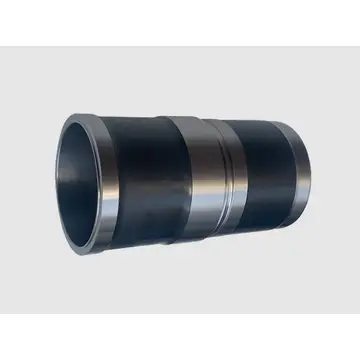
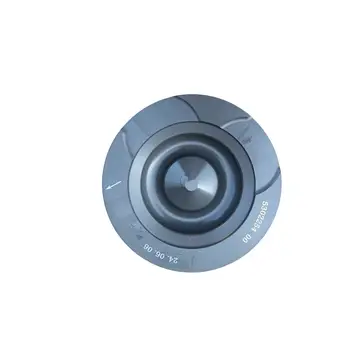
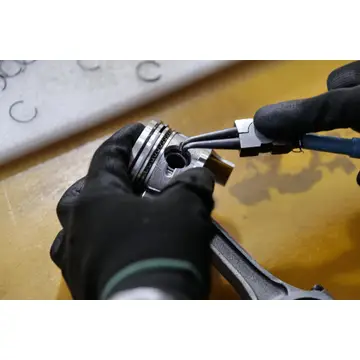
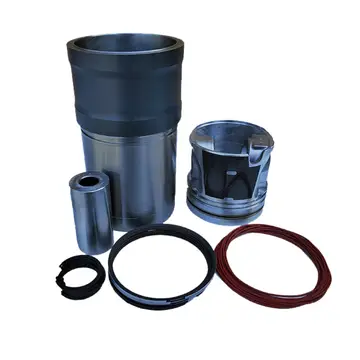
| Cylinder block set | cylinder liner, piston, piston ring set, pins and clips | Wear after long running; oil burning, blow-by and low compression. Usually bought as one kit |
| Sealing | cylinder head gasket, valve cover gasket, exhaust and intake gaskets, seals | Replaced at every head or major overhaul; leaks show as oil, coolant or exhaust at joints |
| Bearings | Main and connecting-rod bearing shells, thrust washers | Replaced with the liner kit; sizes must match the crankshaft condition |
| Valve train | Valves, guides, stem seals, springs | Worn guides and seals cause oil use and smoke |
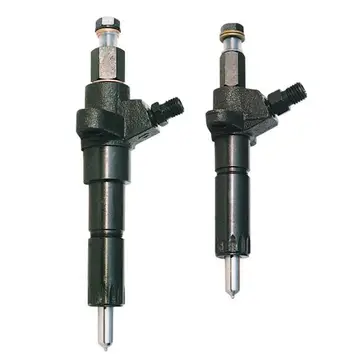
| Fuel system | Fuel injectors, nozzles, injection pump, supply pipes | Worn tips give smoke, power loss and hard starting |
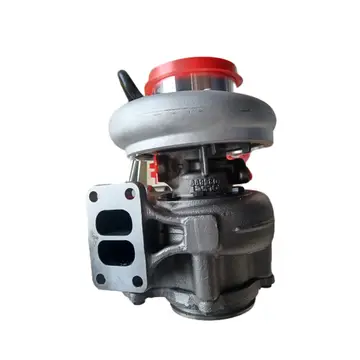
| Air | Turbocharger, intake and exhaust parts | Shaft play, oil leaks and low boost |
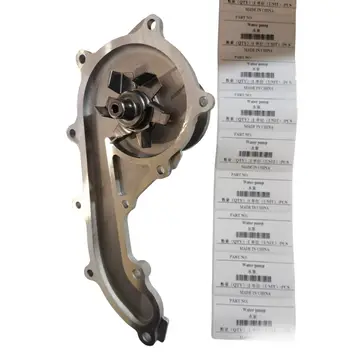
| Cooling and lube | Water pump, oil pump, thermostat, oil cooler | Leaking seals, noise, weak pressure or flow |
A complete engine overhaul kit is a convenient order when the whole engine is opened, but each kit is built for one engine model. Never order by family name alone.
How to read the engine version
Work through this list at the truck, with a torch and a camera:
- Find the engine nameplate. On most diesel engines it is a metal plate on the block or on a cover; if it is painted over or missing, say so when you write to us.
- Photograph it square-on, sharp enough to read every character, and add a second photo with the engine in the frame.
- Write down the model designation and the engine serial number exactly as stamped.
- Photograph the VIN plate or chassis number of the vehicle.
- For turbocharger, injector or pump orders, also photograph the label or casting number on the old part.
- Note the symptom (smoke colour, oil use, overheating, noise) and whether the engine was ever rebuilt or fitted with non-original parts.
A part supplier that cross-checks the engine serial number before dispatch is doing the right thing; make sure yours does too.
Planning an overhaul order
An overhaul is cheaper in downtime when everything arrives together. A practical way to plan the list:
- Open the engine first, then finalise the list. Liner wear, crankshaft journals and the head surface decide whether you need standard or other sizes of bearings and whether the head can be reused. Ask the workshop to measure against the manual.
- Replace the small parts that cost little but cause repeat failures: seals, gaskets, O-rings, the oil pump if the pressure was weak, and the water pump if it leaks or is noisy.
- Check what the engine breathes and burns: a worn turbocharger can feed oil into the intake, and tired injectors can wash oil from the liner walls. Fitting a new set of rings on top of these faults wastes the overhaul.
- Keep a record of the engine serial number, the parts fitted and the date, so the next order starts from facts rather than memory.
For a fleet or a parts shop, build a standard kit list per engine version once and reuse it. That is where a clear nameplate photo on file pays for itself.
Overhaul kit or single parts?
Neither is always right. Use these questions to decide.
- Is the engine being opened down to the block? If the liners, pistons and rings are being replaced anyway, a kit built for your engine model saves time and avoids mismatched items. Check what the kit contains before ordering, because contents differ between suppliers: some include gaskets and seals, some do not.
- Is the fault limited to one system? A leaking water pump, a weak turbocharger or a set of tired injectors is a single-part job. Buying a kit for it would leave you with parts you do not need.
- Is the engine near the end of its life? If the crankshaft or block is damaged, a kit alone will not solve it. Ask the workshop for an inspection report first.
- Do you service many engines of the same version? A dealer or fleet workshop often buys the wear items in sets and keeps the rest as single parts.
In every case the kit or part must match the engine version from the nameplate.
Common ordering mistakes
- Ordering from the family name only (“WD615 piston”) without the engine version.
- Sending a photo of the truck and no photo of the engine nameplate.
- Reading a number from a seller listing and treating it as the maker’s number. Listing numbers are search keys only.
- Throwing away the old part before the new one has been compared with it.
- Mixing parts from two different engine versions during one rebuild.
- Forgetting the small items: seals, gaskets and fittings that must be renewed with the main parts.
- Not saying whether the engine was rebuilt before. A previous rebuild can mean non-original sizes.
Genuine, OEM and aftermarket
Many listings call a part “for Weichai” without saying who made it. Ask the supplier to state the maker and the part number, and keep the old part until the new one is confirmed. Numbers quoted in shop listings come from sellers, not from the engine maker, so treat them as search keys only. If you run a workshop or a parts shop and need a consistent source, say so: dealer terms are by agreement, see contact.
Which vehicles use them
Weichai engines are used on several Chinese truck makes; see the brand pages for Shacman and Beiben, which list Weichai power on some models, and Sinotruk. Do not assume that a part fits a truck because the engine family matches: the exact version decides. The same engine maker also supplies bus engines, see Weichai engines in the bus catalogue.
What to send us for a quote
- A photo of the engine nameplate (model and serial number)
- The VIN or chassis number of the vehicle
- The parts you need, with quantity (or the symptom, and we suggest the likely group)
- Part number or photos of the old part, from two or three sides
- Whether it is a repair, a full overhaul or a stock order
- Destination country
Send it through the quote form or the truck engine parts page. We reply with recommended parts and confirm the exact version; we never guess.
Truck part groups to look at
Frequently asked questions
- What is the difference between WD615 and WP10?
- They are different Weichai engine families, so they have different parts. Do not swap parts between them without confirming the exact engine version from the nameplate or parts manual.
- Where is the engine number on a Weichai engine?
- On the engine nameplate, a metal plate normally fixed to the block or a cover. If it is missing or painted over, send photos of the engine and the VIN and we will help identify it.
- Can I order a WD615 overhaul kit without knowing the version?
- It is risky. Kits are built for one engine model and level. Send the nameplate and a note of what is already worn first.
- Which WD615 parts are replaced most often?
- Liner, piston and ring sets, gaskets, bearing shells, injectors, the turbocharger and the water and oil pumps are the usual list in an overhaul or major repair.
- Do I need the VIN as well as the engine number?
- Yes, send both. The engine number identifies the engine; the VIN identifies the vehicle and helps spot a replaced engine.
- Are aftermarket WD615 parts reliable?
- Quality varies by maker. Ask for the maker name and part number, and compare against the old part before fitting.
Sources
- [1]Fuel Injector KBEL-P031 for Weichai Engine WD618 WD615 WD12 WP12 WD10 WP10. FridayParts.
- [2]Complete Cylinder Head with Valves for Weichai Engine WD615. FridayParts.