Guides
Bus Door Pumps, Body and Electrical Parts for Chinese Buses: What Fails and How to Order
Bus door pump, emergency valve, lamp, mirror, wiper and switch failures on Chinese buses in city and school service, and how to order the right part.
- Prepared by
- CAP Parts Team
- Published
- Reading time
- 8 min read
- References
- 2 sources
Key takeaways
A "door pump" on many Chinese buses is the unit that drives the door actuator; the emergency door valve is a separate safety item. Name which one you need when you ask.
In city and school service, doors and lamps cycle thousands of times, so doors, switches and wipers fail before structural body parts.
Identify the part with a photo of the label, connector and ports, plus the bus VIN. Many door pumps look alike but differ in ports and connectors.
Replace safety items (emergency valve, door controller) with the exact version, and test the emergency release after installation.
We list door pumps, emergency valves, lamps, mirrors, wipers, switches and control modules. Send photos and the VIN and we confirm the version.
On this page
- 01Door pump versus emergency valve
- 02What fails in city and school-bus service
- 03School bus, city bus: what is different
- 04Body parts that we see operators ask for
- 05How to order door and electrical parts without mistakes
- 06How a door fault shows up and which part to suspect
- 07Planning door and body spares in your own fleet
- 08From a failed part to a confirmed order
- 09Plates and labels worth photographing
- 10What to send us for a quote
Short answer: Door pumps, emergency valves, lamps, mirrors, wipers, switches and control modules are the body and electrical parts that fail most in city and school-bus service, because they work every stop. Order them by part number, or by photos of the label, connector and ports plus the bus VIN, and test the emergency release after fitting.
Door pump versus emergency valve
The words are used loosely, so define them before you order:
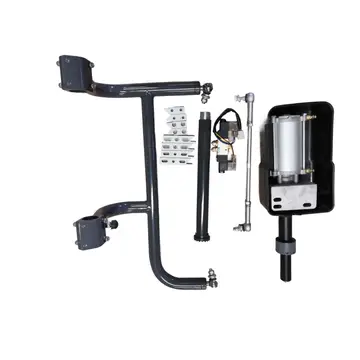
- Door pump (door pump assembly): the unit that supplies the pressure to open and close the passenger door actuator. On some buses it is a compact pump unit with a solenoid valve, on others an air system with valves.
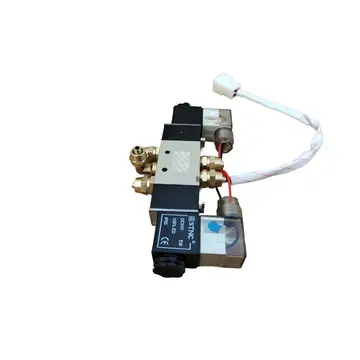
- Door solenoid valve: the electrically operated valve that switches the door direction.
- Emergency door valve: a manual valve that releases the pressure so that the door can be moved by hand. In maker documents it is described as a release for door air pressure; the NHTSA-hosted Nova Bus letter below deals with such a valve.
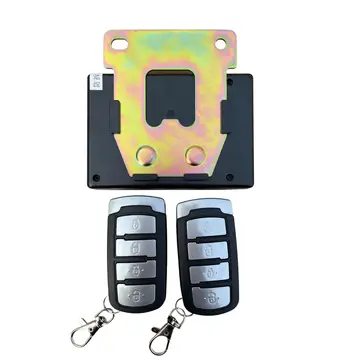
- Door controller / remote control: the electronic part that receives the driver switch signal.
If your supplier says “door pump” and you mean the emergency valve (or the other way round), you will get a part that looks close but does not do the job. Describe the function and send photos of the actual part.
Examples on our site: door pump assembly, door pump 6108-01142, door pump solenoid valve 4V220-08, emergency door valve, emergency door valve 61NAB-12100-A and passenger door controller. Numbers on our pages are what we list, not a statement that they fit your bus.
What fails in city and school-bus service
This table is workshop experience, not manufacturer data. Use it to build a first-aid list from your own repair records.
| Part | Typical symptom | Common cause (general) | What to send |
|---|---|---|---|
| Door pump / valve | Door slow, stuck, or opens by itself | Worn seals, dirt in the air or fluid, solenoid fault | Photo of label, ports, connector |
| Emergency door valve | Door will not lock, hissing at the valve | Worn seal, damaged handle | Photo of valve with ports and handle |
| Door controller | Door ignores the switch, random movement | Moisture in connectors, failed board | Photo of connector and label |
| Door limit switch | Door does not stop or close fully | Bent bracket, worn switch | Photo of switch and bracket |
| Lamps (rear combination, turn signal) | Water inside, dim, flickering | Cracked housing, loose connector | Photo of lens, connector and mounting |
| Mirrors | Glass cracked, arm loose | Impacts, vibration | Photo of mirror, arm and base |
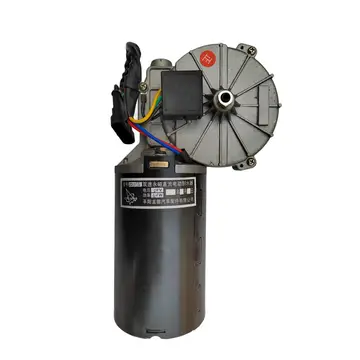
| Wiper motor, arm, linkage | Slow, stops mid-sweep, parked wrong | Motor wear, loose linkage, dry blade | Photo of motor, label, arm base |
| Switches (combination, rocker) | Indicator or wiper stalk intermittent | Contact wear, moisture | Photo of switch, pin layout |
| Control modules, fuse and electrical boxes | Dead circuits, burnt smell | Corrosion, water ingress, overload | Label photo, connector shape |
Public sources give a reason for sealing problems: a pneumatics trade article notes that in extreme cold seals harden and stick, and seal shrinkage can prevent a valve sealing properly. If you operate in cold climates, tell us so we can include that in the check. A Nova Bus information letter from NHTSA records shows that even a maker may replace an emergency door release valve because the original valve is discontinued, so ask for the number and a new-version check rather than assuming the old part is still made.
School bus, city bus: what is different
| Point | City bus | School bus |
|---|---|---|
| Door cycles | Very high, at every stop | High at stops, bursts at school start and end |
| Passenger safety focus | Crowded doors, emergency exit | Children, emergency exit and signalling lamps |
| Common loss | Door pump, door limit switch, lamps | Mirrors, lamps, seat and window parts |
In both uses, test the emergency release at each service. That is a checklist item, not an interval: follow the maker manual for frequency.
Body parts that we see operators ask for
“Bus body parts” is a wide phrase. The ones people actually order:
- Rear-view mirror, bumpers, windows and glass, gas struts, door locks, window locks
- Wiper arm, linkage and motor
- Lamps and lenses
- Seats, seat belts, emergency hammer
- Dashboard and instrument cluster parts
See the body parts catalogue and the electrical parts. Items: rear-view mirror, bus lamp, wiper arm, wiper linkage, combination switch 37V55-04011, vehicle control module.
How to order door and electrical parts without mistakes
- Note the bus model, VIN and year.
- Photograph the label of the part. If none, photograph all sides.
- Photograph the ports (air or fluid) and the connector (pin count and shape).
- Note the position: front door, rear door, left, right.
- Describe the symptom and when it happens.
- For an emergency valve or controller, say whether the bus is school or city use, and ask us to confirm the version.
- After fitting: test normal open/close, test the emergency release and check for leaks.
How a door fault shows up and which part to suspect
These are careful general pointers for a workshop, not a diagnosis of your bus; always check air or fluid pressure and the electrical signal before replacing a part, and follow the bus maker manual.
- Door does not move at all. Check whether the driver switch signal reaches the controller and whether the solenoid valve clicks. A silent solenoid points to the electrical side (switch, controller, wiring, connector); a clicking one with no movement points to the pump or the pressure supply.
- Door moves slowly or hesitates. Suspect low pressure or worn seals in the pump or actuator, or dirt in the system. Check for leaks and for the speed adjustment before changing parts.
- Door opens or closes by itself or at the wrong time. Suspect the controller, a sticking solenoid valve or moisture in a connector.
- Door does not stop at the end of travel or does not close fully. Look at the limit switch, its bracket and the door alignment first.
- Hissing at the emergency valve. Suspect a worn seal in the valve or a handle that is not fully reset.
- Door works in the morning but not later in the day. Heat or moisture dependent faults usually mean a connector or electronic part; photograph the connector.
Planning door and body spares in your own fleet
City operators have the most door cycles, so doors are the first spares. School-bus operators add signalling lamps and mirrors because those are checked by inspectors and damaged in parking. Intercity coach operators, with fewer stops, usually keep wipers, lamps and switches on the shelf and fewer door units. For every system, the practical rule is the same: keep one of each part that stopped a bus in the last year, and record the confirmed part number against the bus.
From a failed part to a confirmed order
- Remove the part and photograph it before and after cleaning, with the label or number visible.
- Photograph the connector from the front, and the air or fluid ports, since many door units look alike from the outside.
- Note the door position, the bus VIN and the symptom in one line.
- Send everything in one message; we reply with the version we propose and questions such as side or connector shape.
- Confirm the number or photo match on both sides, then place the order.
- On arrival compare ports, connector and mounting with the old part before fitting.
- After fitting, test normal operation and the emergency release, and record the confirmed number against the bus.
Plates and labels worth photographing
For door and electrical parts, the label on the part itself is the best identifier. Photograph it straight on, in good light, with nothing covering it. Add the bus model plate and the VIN plate. For control modules and switches, photograph the connector and count the pins in the picture. For valves, show every port so we can see how many there are and where they sit. Where a label is missing, say so, and send photographs from several sides next to a ruler.
What to send us for a quote
- VIN, model code, year, country
- Photos of the old part, label, ports and connector
- Part number if any, quantity, position
- Symptom and operating conditions (cold, dust, heavy city duty)
- Destination port or city
Use the quote page or contact us. Delivery and stock are agreed per order. Related guides: Yutong bus parts catalog, King Long and Higer bus parts, and the Yutong, King Long bus pages.
Frequently asked questions
- What is a bus door pump?
- On many buses it is the unit that supplies pressure to open and close the passenger door. It often works with a solenoid valve and a controller. Send a photo of the actual unit so we confirm what you need.
- What is the difference between a door pump and an emergency valve?
- The pump drives normal door movement. The emergency valve is a manual release that depressurises the door actuator so the door can be opened by hand.
- Why does my bus door open slowly or stick?
- Common causes in general are worn seals, dirt, a weak solenoid or a failing controller. A workshop should check pressure and the electrical signals before replacing the pump.
- How do I order a door pump for a Chinese bus?
- Send the bus VIN, the part number or a photo of the label, ports and connector, and the door position. We confirm the exact version before you pay.
- Which bus electrical parts fail most?
- Switches, lamps, relays, fuse boxes and control modules, mainly because of water, vibration and contact wear. Photograph the connector when you order.
- Should I test the emergency door release after repairs?
- Yes. After any door-system work, test normal operation and the emergency release, and follow the bus maker manual for the procedure.
- Can you supply mirrors and wipers for buses?
- Yes, we list rear-view mirrors, wiper arms, linkages and motors. Send photos and the VIN and we confirm which version fits.
Sources
- [1]Nova Bus information letter, emergency door release valve replacement (PDF). NHTSA.
- [2]Weather-Resistant Valves Give Buses a Lift. Power & Motion.