Guides
Yutong Bus Parts Catalog: How Operators Find and Buy the Right Spare Parts
How to use a Yutong bus parts catalog: identify the bus and part, the service parts ordered most, and genuine vs OEM options. Checklist for operators.
- Prepared by
- CAP Parts Team
- Published
- Reading time
- 7 min read
- References
- 5 sources
Key takeaways
There is no single free "Yutong parts catalog" PDF that covers every bus. The reliable route is the manufacturer parts lookup by part number or description, plus your bus model code and VIN.
Identify the bus first (model code, VIN, build year, engine and gearbox), then the part. A photo of the old part with its number is worth more than a description.
The parts operators order most are wear and service items: brake, clutch, filters, cooling, door and lamp parts. Frames and body panels are rare orders.
Genuine, OEM-source and aftermarket are different things. Ask for the part number and the supplier of the part, and compare against the old part on arrival.
Send us the part number, VIN or a photo and we confirm the exact version before you pay.
On this page
- 01What a Yutong parts catalog actually is
- 02Which Yutong buses are we talking about
- 03Service parts operators order most
- 04Step by step: from a bus on the yard to the right part
- 05Genuine, OEM and aftermarket: what to ask
- 06Common mistakes
- 07How city, intercity and school operators plan spares differently
- 08From a failed part to a confirmed order
- 09What to send us for a quote
Short answer: A “Yutong bus parts catalog” is in practice a parts lookup, not a PDF you download once. You use it with the bus model code, the VIN and, where possible, the part number stamped on the old part. If you do not have a number, send a photo and the VIN and have the version confirmed before ordering.
What a Yutong parts catalog actually is
Yutong describes its own service on its spare parts page: it says it develops and customises parts with internationally known suppliers, and that only suppliers that pass laboratory tests and Yutong quality inspection join its supply system. The same page offers an anti-counterfeiting check (label and material card) and tells buyers to enquire about local channels through the website. The enquiry form on that page asks for the VIN and the number of passengers, which tells you what the manufacturer itself needs to identify a part.
For operators this means three things:
- A parts book is tied to a bus configuration. The same model name can carry different engines, gearboxes, axles and electrical layouts.
- The VIN, not the marketing name, is what selects the right entry.
- Third-party listings (marketplaces, aftermarket shops) usually show one part at a time. They are useful for comparing, not for identifying.
The catalogue pages on our own site list bus parts by system, see the bus parts catalogue and the Yutong bus page for the parts we handle for these buses.
Which Yutong buses are we talking about
Yutong is a Chinese commercial-vehicle maker headquartered in Zhengzhou, Henan, and is described by Wikipedia as the world’s largest bus and coach maker by volume as of 2026. Model codes follow the ZK pattern. Model names that appear in public sources include ZK6122H9 and ZK6122HD9 coaches, ZK6108HG and ZK6118HGA city buses, ZK6128H and ZK6729DX school bus. A public model catalogue PDF for the ZK6128H exists, but a sales brochure is not a parts book: it lists equipment, not part numbers.
Do not assume that a part for one ZK code fits another. Always confirm by VIN or part number.
Service parts operators order most
This is workshop experience, not Yutong data: fleets spend most on parts that wear or fail in service. The manufacturer’s own news page for Jordan groups parts into engine and powertrain, transmission and clutch, brakes and suspension, body (A/C, seats, doors) and electrical (alternators, sensors, relays, harnesses) categories, which matches how workshops order.
| Group | Typical items | What to send |
|---|---|---|
| Brakes | brake chambers, shoes, discs, slack adjusters, valves | part number, axle position, photo |
| Clutch and gearbox | clutch disc, pressure plate, booster, master and slave cylinder | part number, gearbox type, VIN |
| Engine and cooling | injectors, water pump, belt tensioner, alternator, A/C condenser | engine model plate, part number |
| Running gear | air springs, shock absorbers, hub bearings, height control valves | axle, position (front / rear, left / right), photo |
| Steering | tie-rod ends, ball joints, power steering pump | photo of the old part, number |
| Doors, body and electrical | door pumps, emergency valves, lamps, wipers, switches, control boxes | photo of connector and label, VIN |
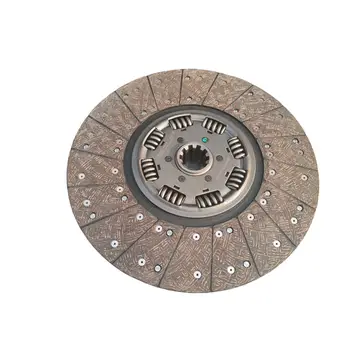
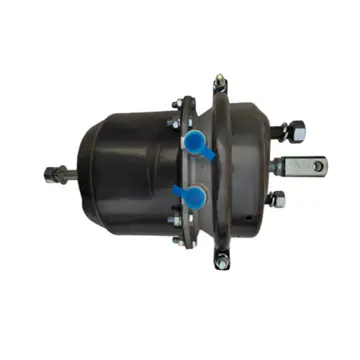
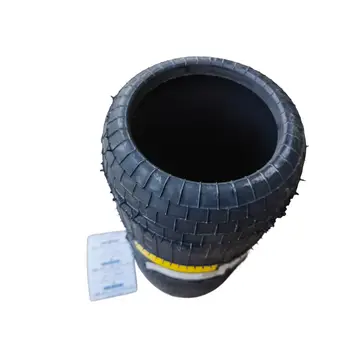
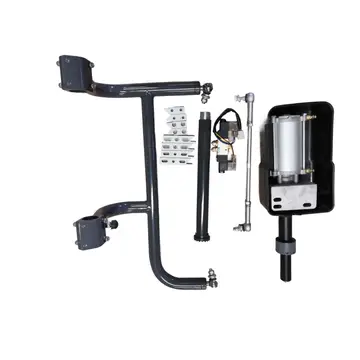
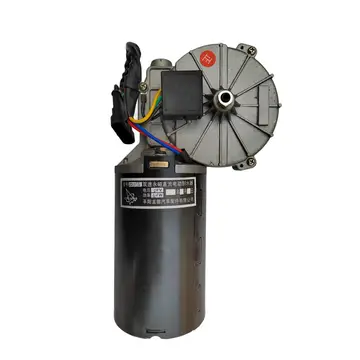
Examples we list in these groups: clutch disc, brake chamber, air spring, door pump assembly and wiper motor ZD2736. A listing is an example of what we handle. It is not a statement that the part fits your bus.
Step by step: from a bus on the yard to the right part
- Write down the VIN from the plate or the registration papers. Add build year and country of registration.
- Photograph the data plates: bus model plate, engine plate and gearbox plate.
- Find the part number on the old part. Clean it first. Numbers are often stamped, cast or on a sticker that has faded.
- Photograph the old part from several sides, with a coin or ruler for scale, and the connector or mating faces.
- Note the position: front, rear, left, right, door number, axle number.
- Measure what is easy: overall length, hole spacing, connector pin count. Do not guess tolerances.
- Send it all together and ask for the version to be confirmed against the number and VIN.
- Compare on arrival before installing: number, shape, connector and mounting points.
Genuine, OEM and aftermarket: what to ask
The three words are used loosely by sellers, so ask directly.
| Option | What it usually means | What to check |
|---|---|---|
| Genuine (bus maker) | Supplied under the maker’s label through its own channel | Anti-counterfeit label and material card, per the maker’s own page |
| OEM-source | Made by the supplier that makes the part for the bus maker, sold under its own name or box | Supplier name, part number matches the old part |
| Aftermarket | Made to fit by another maker | Photo and dimensions compared with the old part |
Prices and lead times differ. Industry-typical practice is that genuine parts cost most and aftermarket least, but there is no fixed ratio, so ask for quotes on the same part number for each option. Whichever you choose, keep the old part until the new one is installed and checked. If you are weighing options for a safety item (brakes, steering, doors), ask which source the part comes from before you ask the price.
Common mistakes
- Ordering by model name only. The same name can have several versions.
- Ordering from a single photo of the new part’s box. Boxes get reused.
- Mixing up sides. Left and right parts often carry different numbers.
- Assuming one number is for sale in every country. Check with us what is available for your destination.
How city, intercity and school operators plan spares differently
This is general fleet practice, not Yutong data. A city operator runs many short stops a day, so doors, brakes, lamps and wipers get the most cycles and the spares list leans toward those. An intercity or coach operator covers long distances at steady speed, so the list leans toward the engine, cooling, clutch and gearbox, tyres and suspension, and the concern is breaking down far from a workshop. A school-bus operator has short routes and fixed daily timetables, so the aim is that a bus never misses a run: signalling lamps, mirrors, door parts and brake wear items matter most. Whatever the duty, build the first list from your own repair history for the last year, not from a generic list, and ask us to quote against those entries.
From a failed part to a confirmed order
Start in the workshop, not in the office. The mechanic who removes the part should photograph it before cleaning and again after, and keep the removed part until the new one is fitted. The buyer then collects the VIN and the photos, writes the symptom in one line, and sends one message with everything. We reply with the version we propose and the questions we still have, for example which side or which connector. Only when both sides agree on the part number or the photo match is the order placed. Writing down the confirmed number against the bus in your own records means the next order for that bus is a single line.
What to send us for a quote
- Bus model code, VIN, year, country of operation
- Part number (if any) and photos of the old part, from several sides, plus the data plate
- Position on the bus (front / rear, left / right, door number)
- Quantity, and whether you want genuine, OEM-source or aftermarket options quoted
- Destination port or city
Use the quote page or contact us. Terms such as minimum order, stock position and lead time are agreed per order. Nothing on this page is a promise of stock or delivery time. Related reading: bus doors, body and electrical parts, King Long and Higer bus parts, Yutong bus spare parts page, bus drivetrain parts.
Frequently asked questions
- Is there a free Yutong bus parts catalog PDF?
- Public PDFs found for Yutong are model brochures, not part-number catalogues. Yutong itself points customers to its service channels and a parts lookup tied to the bus. If you need a part, send us the VIN, the part number or a photo.
- How do I find a Yutong part number?
- Look on the old part itself: stamped, cast or on a label. Clean it and photograph it. If there is no number, send photos from several sides plus the bus VIN and the position on the bus.
- Are all ZK models using the same parts?
- No. The ZK code covers many sizes and layouts, and engines, gearboxes and electrical systems differ. Confirm by VIN or part number, never by model name alone.
- What is the difference between genuine and OEM Yutong parts?
- Genuine parts come under the bus maker's label through its channel. OEM-source parts are made by the same kind of supplier but sold under the supplier's own name. Ask for the part number and the source, and compare with the old part.
- Which Yutong parts wear out first?
- In general: brake linings, clutch parts, filters, belts, bearings, bushings, wipers, lamps and door-system parts. Exact intervals are in the bus maintenance manual.
- Can you ship Yutong spare parts to my country?
- We handle bus parts for export. Availability and delivery are confirmed per order, so send us your list and destination.
- How do I avoid counterfeit parts?
- Buy against a part number, ask who made the part, compare it with the old one and, for genuine parts, use the maker's anti-counterfeit check described on its spare parts page.
Sources
- [1]Spare Parts (Yutong). Yutong.
- [2]Yutong Bus Spare Parts in Jordan. Yutong Qatar.
- [3]Yutong. Wikipedia.
- [4]Yutong ZK6128H SHD Catalogue (PDF). Nasr.
- [5]BusParts Catalog. OMNIplus.