Guides
HOWO and Sinotruk Spare Parts Price: Why Quotes Differ and How to Compare Them
Why Chinese truck part prices differ: genuine vs OEM vs aftermarket, quantity, packing, freight and payment, and how to compare quotes fairly.
- Prepared by
- CAP Parts Team
- Published
- Reading time
- 8 min read
- References
- 5 sources
Key takeaways
The same part name can carry very different prices because of grade (genuine, OEM-supplied, aftermarket), material and finish, brand marking and warranty.
Quantity, packing, Incoterm and payment terms change the unit price; always compare landed cost to your door, not only the factory price.
Public price lists are often undated and do not state grade or quantity, so do not copy their numbers into your budget; ask each supplier for a written quote with validity date.
Before judging price, confirm the variant: one Sinotruk or HOWO name can cover several generations, axle ratings and brake layouts.
We list recommended parts and confirm the exact version; prices, stock and terms are agreed per order, so send part number, VIN or a photo.
On this page
- 01Why you will see a wide range for the same name
- 02What drives the price of a Chinese truck part
- 03Genuine, OEM-supplied and aftermarket: what to expect
- 04How to compare two quotes fairly
- 05Red flags in price offers
- 06Worked example: comparing three quotes with placeholder letters
- 07Questions to put to every supplier
- 08When a low price is worth taking, and when it is not
- 09What to send us for a quote
Short answer: HOWO and other Chinese truck spare parts prices differ mainly because of the part grade (genuine, OEM-supplied or aftermarket), the material and finish, the order quantity, the packing and the shipping terms. To compare quotes fairly, fix the part number and grade first, then compare packing, Incoterm, validity date, warranty and landed cost. This guide shows the method; it does not quote prices.
Why you will see a wide range for the same name
Searching “howo spare parts price” returns marketplace listings and a few catalogue pages. Some show an FOB figure per part, but they rarely state the date, the grade, the order quantity or what is included in the box. Two listings of the same part name may therefore describe different products. A sourcing guide from a freight company makes the same point: buyers who order “Sinotruk brake parts” can receive several quotes for several platforms, because Sinotruk parts can mean different generations, axle ratings and brake layouts (DocShipper, see sources).
What drives the price of a Chinese truck part
| Driver | What changes | How to check it |
|---|---|---|
| Part grade | Genuine (brand-authorised channel), OEM-supplied (original equipment supplier, sometimes off-contract) or aftermarket / replica | Ask the grade in writing; ask what mark and packaging come with it |
| Material and process | Steel grade, heat treatment, rubber compound, seal quality; hidden once the part is in a box | Ask for material or test records on load-bearing parts; sample first |
| Brand marking | Own brand, maker brand, unbranded or “white box” | Photograph the part and box; compare with the old part |
| Quantity | Higher quantity can lower the unit price; below a supplier’s minimum, the price may rise | Ask for price breaks at two or three quantities |
| Packing | Inner box, carton strength, pallet, labels | Request packing photos before loading |
| Incoterm | EXW, FOB, CFR or CIF include different costs | Compare quotes on the same term and named place (ICC Incoterms) |
| Freight and port | Sea vs air, container fill, destination port | Get a freight estimate for your port from your forwarder |
| Payment and risk | Terms and the supplier’s margin for risk | Compare on the same payment terms |
| Warranty | Type of cover (pro-rata, full replacement, parts only) and claim route | Read the claim wording before accepting a lower price |
| Timing | Raw-material swings, seasonal maintenance demand | Check quote validity date |
Genuine, OEM-supplied and aftermarket: what to expect
The market is a mix of genuine parts, aftermarket parts, rebuilders, trading companies and factories that also do OEM work. Sourcing guides describe three broad groups:
| Group | Typical source | Typical strength | Typical limit |
|---|---|---|---|
| Genuine | Brand-authorised factory or channel | Fit consistency and traceability | Highest price; paperwork must match the brand’s rules |
| OEM-supplied | Original equipment supplier producing to spec | Very good consistency when batch control is strong | Warranty may be limited; clarify the claim route |
| Aftermarket / replica | Independent aftermarket factories and trading companies | A wide range, from good value to risky shortcuts | Warranty often weakest; you rely on the contract |
“OE number compatible” is not the same as genuine and says nothing about heat treatment or metallurgy (DocShipper). An industry article also warns that some sellers are repackers with little quality control, and that the better aftermarket brands differ from others in quality control and in how they handle failures. Its practical questions are worth asking any supplier: is it a recognised brand; is it an OE supplier; do the parts meet or exceed OE form and fit; is there technical support; is there a clear warranty; does the brand have its own factory or a dedicated quality control process (Engine Professional).
A simple rule many fleets use: spend where failure stops the truck or hurts safety (brake, steering, clutch and drivetrain parts, injection parts) and save on low-risk consumables, as long as the supplier is verified. Check the manual and your workshop’s own experience.
How to compare two quotes fairly
- Same part, same grade. Confirm part number, brand marking and grade on each quote.
- Same terms. Convert to the same Incoterm and named place.
- Same quantity. Ask each supplier for the price at your real quantity and the next break.
- Add the extras. Packing, inland transport, export clearance, sea freight, insurance, import duty and VAT, conformity certificate fee where required (see importing into Africa).
- Count the warranty. Note what a failed part costs you: part, labour and downtime. A cheaper part with weaker cover may cost more.
Landed cost per part = (ex-works or FOB price + packing + inland and export costs + freight + insurance + duties and taxes + certificate and clearing fees) divided by the quantity you actually receive and can use. Use your own figures; any numbers on the internet are only context.
Worked example (no prices). Quote A is cheaper per unit, but states aftermarket, carton only, EXW. Quote B is higher, states OEM-supplied, branded box, FOB. After you add A’s inland and export costs and a replacement margin for a weaker warranty, the gap can narrow or reverse. The method matters more than any single number.
Red flags in price offers
- A price far below every other quote with no grade stated
- “Original” or “genuine” without a brand-authorised source or marked packaging
- No validity date and no confirmation of the variant
- Refusal to give photos of the actual goods
- Pressure to pay everything before production
Counterfeit “genuine” labels are a known risk in the aftermarket, so ask for packing photos and verify the supplier as described in the supplier checklist.
Worked example: comparing three quotes with placeholder letters
You need a batch of one brake part for a fleet. You send the same request to three suppliers and receive quotes A, B and C. Instead of looking at the price column, fill in the comparison sheet first.
Quote A states aftermarket, carton only, EXW, valid for a short period, no warranty wording. Quote B states OEM-supplied, branded inner box and carton, FOB, valid for a stated period, and a warranty clause with a claim route. Quote C states genuine, brand-authorised channel, FOB, a longer lead time and its own documentation.
Now add the lines the price column leaves out. For A, add inland transport to the port, export clearance and loading, since EXW leaves them to you. For B and C, add sea freight, insurance and import costs, since FOB stops at loading. For all three, add the conformity certificate and clearing fees where your market requires them. Then add a column for the cost of a failure: the part, the labour and the days the truck stands.
The result is rarely “A is cheapest”. Often A and B end close together after extras, and the choice depends on whether the part is safety-critical or a low-risk consumable, and on how the supplier handles claims. If you cannot fill a cell, ask the supplier and mark the quote incomplete until they answer. Do not compare an incomplete quote with a complete one.
Questions to put to every supplier
- What is the exact part number and brand marking on the part and on the box, and is it the version for my VIN?
- Is the part genuine, OEM-supplied or aftermarket, and who makes it?
- Which material or test records can you show for load-bearing parts?
- What are the price breaks at my quantity and at the next quantity up?
- What is included in the price: inner box, carton, pallet, labels, documents?
- Which Incoterm and named place does the quote use, and how long is it valid?
- What is the lead time for each line, in writing?
- What does the warranty cover, for how long, and how do I make a claim from abroad?
- Can you send photos of the actual goods packed before loading?
- Which documents will come with the shipment, and which certificates does my market need?
A supplier who answers these clearly and in writing is easier to work with than one who only sends a price. If answers are vague, treat the quote as a rough guide and ask again.
When a low price is worth taking, and when it is not
A lower price can be sensible for routine consumables you replace often, when the supplier is verified and the grade is stated. It is rarely sensible for brake, steering, clutch and drivetrain parts, where a failure stops the truck or creates a safety problem. Match the grade to the risk, and keep a record of which supplier and batch each part came from so that you can learn from your own fleet’s results.
What to send us for a quote
- Part name and part number, or photos of the old part and its nameplate (front, back, markings)
- VIN, engine number and build year
- Quantity per line, and a second quantity if you want a break
- Grade preference: genuine, OEM-supplied or aftermarket
- Destination port and Incoterm
- Packing or labelling request
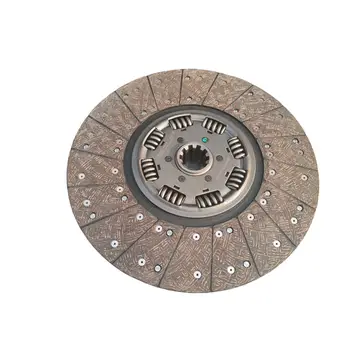
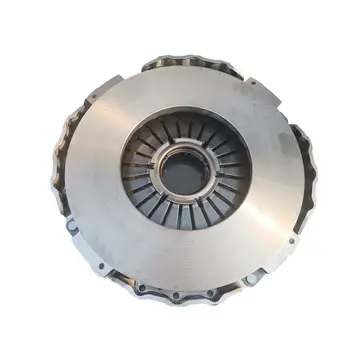
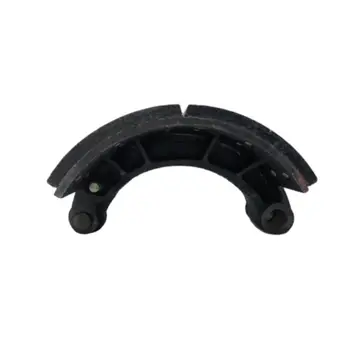
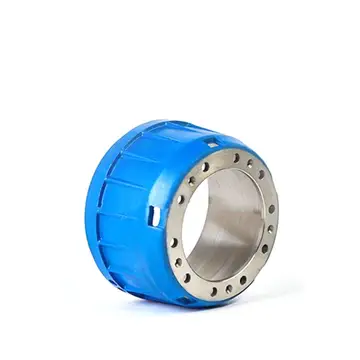
Use the quote page or contact us. We recommend parts and confirm the exact version before a quote is final; we do not publish a price list, because price, stock, delivery time, warranty and minimum order are agreed per order. Browse by group: clutch and gearbox, air brakes, engine, and the Sinotruk page.
Truck part groups to look at
Frequently asked questions
- How much do HOWO spare parts cost?
- There is no single price. It depends on the part, grade, quantity, packing and shipping terms. Public lists are often undated and do not state the grade. Ask suppliers for written quotes with a validity date and compare landed cost.
- What is the difference between genuine, OEM and aftermarket truck parts?
- Genuine parts come through the brand's authorised channel. OEM-supplied parts come from an original equipment supplier producing to spec. Aftermarket parts are made by independent factories and range from good value to risky shortcuts. Warranty and traceability usually follow that order.
- Why is one supplier cheaper than another for the same HOWO part?
- Differences in grade, material, brand marking, packing, quantity, Incoterm and warranty. Check that the quotes describe the same product on the same terms.
- Is "OEM quality" the same as OEM?
- No. "OEM quality" or "OE number compatible" is a marketing phrase and does not prove the source or the material. Tie the deal to a stated grade, packing and, for load-bearing parts, test or material records.
- Does ordering more reduce the price?
- Often the unit price falls at higher quantities, but not always. Ask for price breaks at two or three quantities, and consider consolidating many lines from one family to reach a supplier's minimum.
- Do shipping and import costs matter more than the part price?
- They can. Container space, routing, duties and certificates add to the landed cost and may exceed a small factory discount. Compare quotes on the same Incoterm and add the extras.
- Can you send a Sinotruk parts price list?
- We do not publish one. Send the part number, VIN or a photo and we reply with a quote for the confirmed version.
Sources
- [1]Chinese truck parts: how to source reliable, cost-effective components from China. DocShipper.
- [2]Genuine vs. Aftermarket Spare Parts. Engine Professional (AERA).
- [3]SINOTRUK HOWO Spare Parts Catalog List & Prices. Autofromchina (supplier catalogue; undated FOB list, used only as an example of a public list).
- [4]Truck Parts Procurement: Warranty, Quality & Certification Guide. Alibaba.com Seller Blog.
- [5]Incoterms rules. International Chamber of Commerce.