Guides
Truck Spare Parts Supplier in China: A Buyer Checklist for Fleets and Dealers
How to buy Chinese truck and bus parts from China: brief the supplier, compare quotes, payment and Incoterms basics, inspection, one consolidated shipment.
- Prepared by
- CAP Parts Team
- Published
- Reading time
- 7 min read
- References
- 4 sources
Key takeaways
Brief first, quote second: a supplier can only quote correctly from a part number, VIN or photo plus the quantity and the part grade you want.
Compare quotes line by line on the same grade, packing, Incoterm, port and validity date; the lowest total is often not the lowest landed cost.
Pay in steps tied to evidence (photos, packing list, inspection) and check that the company name on the contract matches the bank account.
One supplier that handles many makers can pack Sinotruk, Shacman, FAW, Dongfeng and bus parts into one shipment, but you must still confirm every line.
Inspect at three moments: before payment (samples, photos), before loading (counts and labels), and on arrival (damage and count, with photos).
On this page
- 01Who this guide is for
- 02Step 1: write the brief before asking for prices
- 03Step 2: shortlist and vet the supplier
- 04Step 3: compare quotes like for like
- 05Step 4: Incoterms and payment in plain words
- 06Step 5: consolidate many makers into one shipment
- 07Step 6: inspection at three moments
- 08What to send us for a quote
- 09Where to start by system
Short answer: To buy truck spare parts from China safely, send the supplier a complete brief (part number, VIN or photo, quantity, grade, destination), compare written quotes on identical terms, pay in steps against evidence, inspect at three points, and ask one supplier to consolidate several makers into one shipment. The checks below take a few hours and prevent most of the wrong-variant and wrong-grade problems that importers report.
Who this guide is for
Fleet operators, mining and construction contractors, workshops and parts dealers who want Chinese truck and bus parts for their own use or for resale. If you buy “wholesale” from China, you are really buying a service: finding the right part, a stable grade, clean packing and paperwork that matches. The part itself is only one line of the quote.
Step 1: write the brief before asking for prices
A common mistake reported by sourcing agents is ordering the right item name but the wrong variant, because one brand name such as Sinotruk covers several generations, axle ratings and brake layouts (DocShipper guide, see sources). Put this into one message or one sheet:
| Field | Why the supplier needs it |
|---|---|
| Part name and OE or maker part number | Starting point; numbers can be superseded, so treat as a pointer |
| VIN or chassis number, engine number, build year | Confirms the exact version of the part |
| Photos of the old part and its nameplate (front, back, markings) | Catches differences the number does not show |
| Quantity per line and expected repeat order | Affects packing, price and what the supplier will quote |
| Grade wanted: genuine, OEM-supplied or aftermarket | Same name, different price and different warranty; see why truck part prices differ |
| Destination country and port | Decides Incoterm, paperwork and conformity needs; see importing into Africa |
| Packing request (carton, pallet, labelling language) | Avoids crushed and mixed-up cartons |
If you do not have a part number, a photo plus the VIN is usually enough for a good supplier to identify the part. We do the same on our side: send the number, VIN or photo and we confirm the exact version before a quote is final.
Step 2: shortlist and vet the supplier
Marketplaces show listings, not capability. Use a short vetting routine before any deposit:
- Company identity. Ask for the business licence. The exact company name should match the name on the bank account you pay into.
- Scope. The licence scope should cover trading or manufacturing of vehicle parts.
- Evidence of real operations. Recent photos or a video call of the warehouse and packing area, not brochure pictures.
- References. Two or three customers in your region or in a similar market.
- Traceability. Batch numbers and material or test records should be available without hesitation for load-bearing parts.
- Payment logic. A supplier who refuses any milestone payment or escrow-style arrangement on a first order is an early warning sign.
Items 1, 4, 5 and 6 are the same warning signs that sourcing agents list in their own guides. A third-party factory audit or inspection is an option for large first orders.
Step 3: compare quotes like for like
Two quotes with the same part name can describe different products. Build a simple comparison sheet:
| Check | Quote A | Quote B |
|---|---|---|
| Part grade (genuine / OEM-supplied / aftermarket) | ||
| Part number and brand marked on the part | ||
| Packing (inner box, carton, pallet) | ||
| Incoterm and named place (e.g. FOB port, CFR port) | ||
| Quote validity date | ||
| Lead time confirmed per line | ||
| Warranty wording and claim route | ||
| Payment terms |
Treat every quote as temporary until specification, quantity and shipping terms are fixed; metal-heavy items and consumables can move with raw-material prices. Ask for the lead time per line in writing instead of one blanket range, and for a catalogue or sheet that carries clear photos and revision dates.
Step 4: Incoterms and payment in plain words
Incoterms are the eleven three-letter trade terms published by the International Chamber of Commerce (Incoterms 2020). They decide who pays for what and where risk passes. In short, for sea shipments:
| Term | You get a price for | What often surprises buyers |
|---|---|---|
| EXW | Goods at the supplier’s door | Inland trucking, export clearance and loading become your job |
| FOB | Goods loaded on the ship at the named port | Sea freight and insurance are yours |
| CFR | Goods plus sea freight to your port | Risk still passes at loading; insurance is yours |
| CIF | CFR plus minimum insurance | Cover is minimum; check it fits your cargo |
An EXW quote can look cheaper until inland and export costs are added, so compare quotes on the same term. Confirm the exact clause wording and the version with your forwarder. Payment: for a first order prefer milestones or a method that ties payment to documents; avoid paying the full amount in advance to a supplier you have not verified. Terms by agreement - tell us what you normally use.
Step 5: consolidate many makers into one shipment
Fleets and dealers rarely run one brand. A mixed fleet may include Sinotruk, Shacman, FAW Jiefang, Dongfeng, Foton Auman, JAC and Beiben trucks plus Yutong, King Long or Higer buses. Buying each brand from a different source multiplies paperwork and freight. A supplier who handles several makers can pack them in one container or one LCL consolidation.
Worked example (illustrative counts, not prices). A workshop needs 40 lines: 12 air-brake items, 10 clutch items, 8 cooling and filter items, 6 steering items and 4 electrical items, for three truck makes and one bus make. One order sheet with the brand and VIN on every line lets the supplier pack by system, label every carton with the line number, and issue one packing list. You then check that list against your order sheet on arrival instead of reconciling four separate shipments.
Ask for: carton marks that match your line numbers, a packing list with weights and counts per carton, photos of the packed goods before loading, and heavy items packed low.
Step 6: inspection at three moments
- Before payment: sample photos or a sample piece for new lines; compare nameplate, markings, packaging and finish with the old part.
- Before loading: count and label check against the packing list; photos of each carton; check that grade and brand marks match the quote.
- On arrival: open a sample of cartons, check counts, look for transit damage, and photograph with the carton label visible; report problems within the claim period in the contract.
Quality control is mostly about asking in advance. Keep batch or lot numbers on file for repeat orders; if a part fails, a batch number lets the supplier trace it.
What to send us for a quote
- Part name and part number, or a photo of the nameplate and the old part (front, back, markings)
- VIN, engine number and build year of the truck or bus
- Quantity per line and whether you will reorder
- Grade preference (genuine, OEM-supplied, aftermarket) and your budget logic
- Destination country and port, and your preferred Incoterm
- Any packing, labelling or paperwork request (for example a conformity certificate)
Use the quote page or contact us. We list recommended parts and confirm the exact version before a quote is final; stock, lead time, warranty and minimum order terms are agreed per order.
Where to start by system
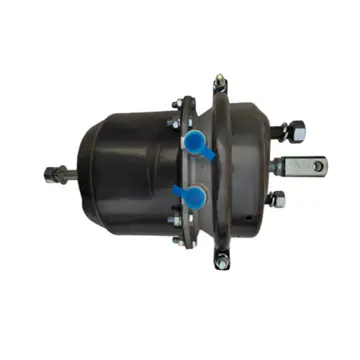
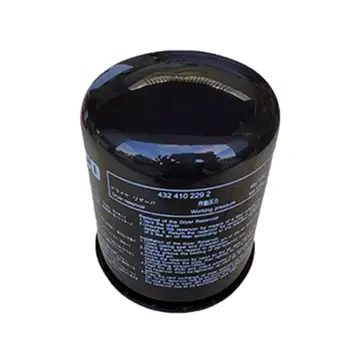
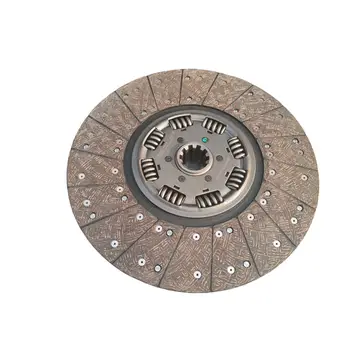
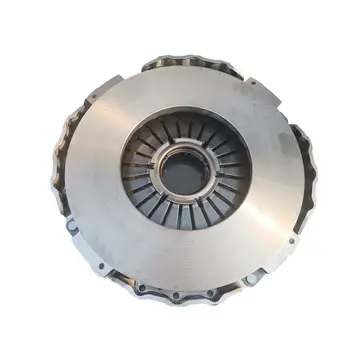
Air brakes, clutch and gearbox and engine parts are the usual first lines for a service-driven order. Brand pages: Sinotruk, Shacman, FAW Jiefang, Dongfeng.
Truck part groups to look at
Frequently asked questions
- How do I find a reliable truck parts supplier in China?
- Check the company licence against the bank account name, ask for real warehouse photos or a video call, request two or three references in your region, ask for batch traceability, and avoid paying everything upfront on a first order.
- What should I send a supplier to get an accurate quote?
- Part number or a photo of the nameplate and old part, the VIN and engine number, quantity per line, the grade you want, and your destination port. Without these, the supplier has to guess the variant.
- Is EXW, FOB or CIF better for buying truck parts from China?
- None is better in general. FOB and CFR put loading at the Chinese port in the price, EXW leaves inland and export costs to you. Compare all quotes on the same Incoterm and named place before choosing.
- Can I buy parts for several truck brands in one shipment?
- Yes, if the supplier handles several makers. Send one order sheet with brand and VIN per line, and ask for carton marks that match your line numbers and a single packing list.
- How do I check the goods before they leave China?
- Ask for sample photos, then packed-goods photos and a packing list before loading. For large first orders consider a third-party inspection before shipment.
- What does MOQ mean for spare parts?
- It is the minimum quantity a supplier accepts per line or per order. It can sometimes be met by combining several lines from one family. Terms are by agreement; contact us with your list.
- Are Chinese truck parts all the same quality?
- No. The market mixes genuine, OEM-supplied and aftermarket parts, and quality varies inside each group. Define the grade in the quote and compare like with like.
Sources
- [1]Chinese truck parts: how to source reliable, cost-effective components from China. DocShipper.
- [2]Truck Parts Procurement: Warranty, Quality & Certification Guide. Alibaba.com Seller Blog.
- [3]Genuine vs. Aftermarket Spare Parts. Engine Professional (AERA).
- [4]Incoterms rules. International Chamber of Commerce.