Guides
Shipping Spare Parts from China: Air, Express, LCL, FCL and Consolidation
How to ship truck and bus spare parts from China: air, express, LCL and FCL compared, consolidating many suppliers, packing, labelling and the documents.
- Prepared by
- CAP Parts Team
- Published
- Reading time
- 7 min read
- References
- 7 sources
Key takeaways
Choose the mode by urgency, weight and volume: air or express for a few urgent small parts, LCL for mixed non-urgent orders, FCL when the order fills a container.
Consolidation lets one forwarder collect parts from several suppliers into one shipment, but the shipment only leaves when the last supplier is ready.
Heavy metal parts need packing that protects against shock, corrosion and handling; wood packaging must be treated and marked under ISPM 15.
Documents come from the same data as your order: commercial invoice, packing list, bill of lading or air waybill; mistakes in descriptions delay clearance.
On this page
Short answer: Spare parts leave China by air or express when they are few, light and urgent, by LCL (less than container load) when the order is mixed and not urgent, and by FCL (full container load) when it fills a container. Parts from several suppliers can be consolidated into one shipment through a forwarder or warehouse. Choose the mode from urgency, weight and volume, pack heavy parts properly, and keep the documents consistent with the order.
This guide is for fleets, importers and dealers buying truck and bus spare parts. Costs and transit times change with season, route and carrier, so this page gives no rates; ask your forwarder for a written quote on your own cargo and destination.
The four ways to move parts
| Mode | Best for | Watch out for |
|---|---|---|
| Express (courier) | A few small, light, urgent items; samples; a missing sensor | Billed on the greater of actual or volumetric weight; heavy or bulky parts become expensive; some couriers limit size and weight |
| Air freight | Urgent or high-value parts, light and compact | Same weight rule; airlines have dimension limits; dangerous goods rules apply to batteries and some fluids |
| LCL (sea) | Mixed, non-urgent orders that do not fill a container | Handling at the container freight station at both ends; fees that do not shrink with a small load; goods share a container |
| FCL (sea) | Large orders, heavy parts, dealer stock | You pay for the container; needs enough cargo to make it worthwhile; loading and bracing matter |
Wikipedia describes LCL as a shipment too small to fill a standard container, grouped with others at a container freight station, and notes that the person doing the grouping can be a forwarder or consolidator. A forwarder guide adds that LCL’s fixed fees (container freight station handling, paperwork and surcharges) do not shrink with the size of the load, so for very small shipments air can be competitive; there is no universal break-even weight, and the same guide says dense cargo such as machinery favours sea while light bulky cargo can pay volumetric weight by air. Compare quotes for the same shipment and the same deadline.
Why volumetric weight matters for parts
Air and express are priced on the greater of actual weight and dimensional (volumetric) weight, which Wikipedia explains as an estimate from length, width and height. A small, heavy part such as a crankshaft is billed mostly on weight; a large light part such as a cab panel or a radiator is billed on its volume. Pack as compactly as protection allows, and tell the forwarder both numbers.
Consolidating many suppliers
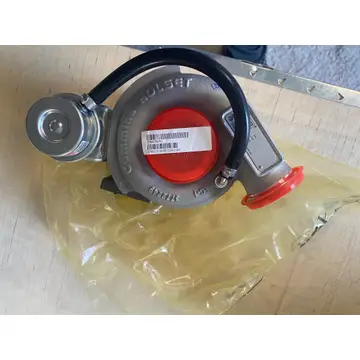
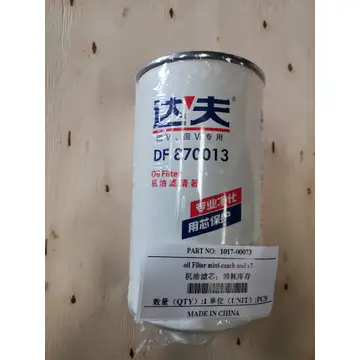
Truck and bus parts rarely come from one factory. A single order can include a turbocharger from one supplier, brake linings from another and filters from a third. Options:
- Forwarder consolidation. The forwarder or its warehouse collects parts from each supplier, checks them against the packing lists, repacks onto pallets and ships one LCL or FCL booking.
- Buy through one exporter. The exporter does the collecting, checking and shipping and gives you one invoice and one set of documents. That is how we work for orders that include several groups.
- Separate shipments. Each supplier ships on its own; simple, but more paperwork and more clearance events at the destination.
Consolidation has costs: the shipment is ready only when the slowest supplier delivers, a short or wrong item has to be found while the rest waits, and one missing document stops the whole lot. Set a cut-off date with every supplier and ask for photos before packing.
Packing and labelling for heavy parts
General workshop and freight practice, which your forwarder will confirm for your route:
- Metal parts (liners, pistons, crankshafts, brake drums): oil or rust-protective wrap, individual box, cushioning; no part-on-part contact.
- Fragile or precision parts (injectors, sensors, glass, lamps): inner packs with foam, outer cartons, “fragile” marks.
- Heavy items (axle parts, gearbox parts): strapped to pallets or in wooden cases; weight shown on the outside.
- Liquids and batteries: these have special shipping rules; tell the forwarder before booking.
- Wood packaging: ISPM 15 applies to wooden pallets and crates of more than 6 mm thickness between countries; it must be treated and stamped with the compliance mark. Plywood and plastic pallets are outside the rule according to Wikipedia. Ask which your destination applies.
- Marking: each carton carries consignee name, destination, carton number (1/10, 2/10), gross weight and a short description; the same numbers appear on the packing list.
- Photos: take photos of the open carton and the packed pallet; they help with any claim.
The documents
| Document | Role | Notes |
|---|---|---|
| Commercial invoice | Customs declaration of the goods and value | Wikipedia: no standard format, but it must show the parties, the goods, the country of manufacture and the Harmonized System codes |
| Packing list | Lists cartons, contents, weights and dimensions | Must match the invoice and the labels |
| Bill of lading (sea) or air waybill | The carrier’s receipt and contract of carriage | A bill of lading is issued by the carrier or its agent to acknowledge receipt of cargo |
| Certificate of origin, inspection or conformity papers | Required by some destinations | Ask your clearing agent which apply |
| Insurance | Cover for loss or damage | Agree who insures, in line with the trade term |
The trade term (Incoterm) in the quote decides who pays and who carries the risk at each stage; Wikipedia describes Incoterms as the ICC’s standard terms defining the responsibilities of exporter and importer. Agree it in writing and check that the quote shows what is and is not included.
Descriptions on documents should be specific (for example “brake shoe set”, “water pump”) rather than “auto parts”, and quantities and part numbers should match the order. Your clearing agent in the destination country confirms duties, import rules and any conformity requirements; see also the guide to importing truck spare parts into Africa.
Who does what: the order of work
A clean shipment follows the same sequence each time. First the order is confirmed by part number and photo. Then each supplier packs and labels its goods and sends them to a collection point or the forwarder’s warehouse. The goods are checked against the packing list, counted and photographed. The forwarder books the space, the documents are issued from the same data, and the shipment leaves. At the destination, the clearing agent presents the documents, pays the duties and releases the goods. Most delays come from a break in this chain: a part that does not match the list, a description that is too vague for customs, or a missing paper at the destination. Your own task is to send complete information at the start, and to name the person who will receive the goods and answer the agent’s questions.
Choosing a mode: a short decision guide
- A truck is off the road and you need one small part: express or air.
- Mixed weekly or monthly restock: LCL, with parts consolidated before loading.
- Dealer stock order that fills a container: FCL, with a loading plan.
- Heavy single part: ask for both air and sea quotes; weight, not volume, may favour sea or air differently on your route.
- Urgent items plus a bulk order: split the shipment: urgent items by air, the rest by sea.
Before shipping: checklist
- Parts match the order by part number and photo.
- Cartons labelled and numbered, weights and dimensions recorded.
- Packing list and invoice agree line by line.
- Wood packaging treated and marked where used.
- Trade term and insurance agreed.
- Destination agent briefed on the documents they need.
What to send us for a quote
Send the part list with part numbers or photos, quantities, your destination port or city and country, the delivery method you prefer (or “advise”), and any deadline on the quote page or the contact page. We prepare one packing list, one invoice and a shipment plan. See also the supplier checklist and the first-year spares list.
Truck part groups to look at
Frequently asked questions
- Is LCL or air freight better for spare parts?
- It depends on urgency, weight and volume. A forwarder guide says LCL suits non-urgent, dense cargo and air suits urgent or small light cargo, and that LCL fixed fees do not shrink with a small load. Get both quotes for the same shipment.
- What is LCL?
- Less than container load: a shipment too small to fill a container, grouped with other shipments for the same destination at a container freight station.
- Can I combine parts from several suppliers in one shipment?
- Yes, through a forwarder or an exporter who consolidates. The shipment waits for the last supplier, so set cut-off dates and check each supplier's parts against the packing list.
- What documents do I need for spare parts from China?
- Normally a commercial invoice, a packing list and a bill of lading or air waybill, plus any papers your destination asks for. Your clearing agent confirms the exact list.
- Does wood packaging need a stamp?
- Under ISPM 15, wooden pallets and crates over 6 mm thick used between countries must be treated and marked. Plywood and plastic are outside the rule according to Wikipedia; ask your forwarder what your route needs.
- How is air freight priced?
- On the greater of actual and volumetric weight. Large light parts such as radiators or panels can cost more than their weight suggests, so give your forwarder both dimensions and weight.
- Do you quote shipping costs and transit times here?
- No. Rates and transit times change with route and season; we give a written quote for your cargo and destination.
Sources
- [1]LCL vs Air Freight: Cost, Speed & Decision Framework. Suaid Global.
- [2]Containerization (LCL section). Wikipedia.
- [3]Dimensional weight. Wikipedia.
- [4]ISPM 15. Wikipedia.
- [5]Commercial invoice. Wikipedia.
- [6]Bill of lading. Wikipedia.
- [7]Incoterms. Wikipedia.