Guides
Filters for HOWO and Other Chinese Trucks and Buses: Oil, Fuel, Air and Cabin Filters by Engine
Match oil, fuel, water separator, air and cabin filters for Chinese trucks and buses by engine and number, buy service sets and store them properly.
- Prepared by
- CAP Parts Team
- Published
- Reading time
- 7 min read
- References
- 5 sources
Key takeaways
Match filters by the engine plate and the number on the old element, not by the truck badge; the same truck brand uses different engines.
A Weichai engine can need three separate fuel-and-oil items: a water separator, a main fuel filter and an oil filter; a maker’s own guide lists them per engine model.
Buy filters as a service set per truck type so one visit uses one box; keep a record of the number on each element when it comes off.
Service an air element by its restriction indicator or the engine maker’s limit, not by how clean it looks.
Keep filters sealed, dry and flat until fitting; send us a photo of the old element, its markings and the housing for a quote.
On this page
Short answer: Match filters for Chinese trucks and buses by the engine and the number on the element or housing, because one truck brand uses several engines and each engine has its own oil, fuel and water-separator filters. Buy them as a service set per truck type, keep air elements until the restriction indicator or the engine maker’s limit says change, and store every element sealed and dry. Send a photo of the old element and the engine plate and we confirm the exact version.
Start with the engine, not the truck
Filter searches often start with a truck name, such as “howo filter”. The truck badge is the wrong end of the search. A HOWO tractor and a Shacman tipper may both carry a Weichai engine, while another truck of the same badge carries a different engine, and the filter set follows the engine. The Weichai engine page and the Yuchai page list the engine families we cover, and the cooling and filtration group shows the filter families.
The most reliable identifiers are, in order:
- The engine plate (engine make, model, and emission level if shown).
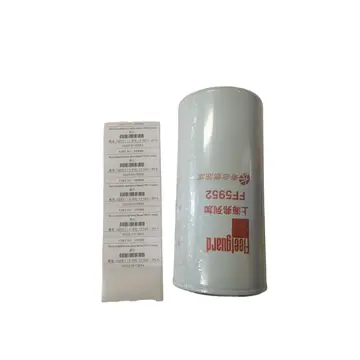
- The number printed on the old filter or its box.
- The filter housing or filter head, photographed from the front and the side.
- The VIN, which links the truck to the build record.
Our part-number guide explains how the number styles differ between factory numbers and filter-maker numbers.
The filter types and what identifies each
| Filter | What it protects | What identifies it | What to photograph |
|---|---|---|---|
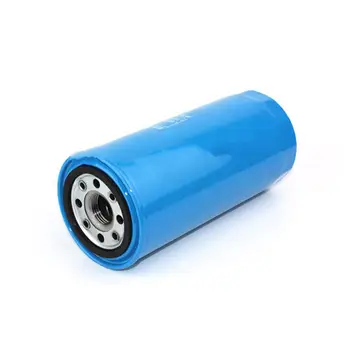
| Oil filter (spin-on or element) | Engine bearings and moving parts | Thread or element size, engine model, number on can | Old filter, thread end, engine plate |
| Fuel filter (main or fine) | Injectors and the fuel pump | Engine model, element or canister style | Filter and head, hose connections |
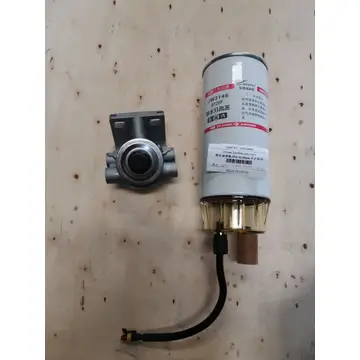
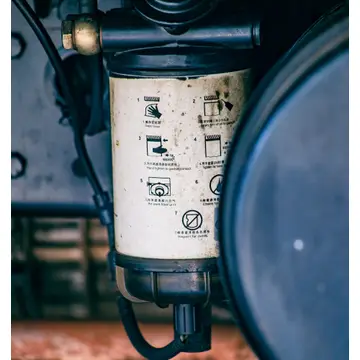
| Fuel water separator (with water bowl) | Injection system from water | Bowl, drain valve, head style | The bowl, drain and the head |
| Air filter element (primary, sometimes secondary) | Engine intake from dust | Housing, element length and end caps | Housing, element ends, restriction indicator |
| Cabin air filter | Driver’s air, HVAC | Cab model, location of the cover | Cover, filter size |
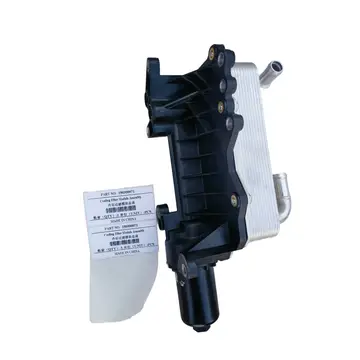
| Coolant filter module (some engines) | Cooling circuit | Module and cartridge | The module on the engine |
| Compressor or dryer cartridge | Air brake system | Compressor or dryer model | See the air brake guide |
Not every engine has every filter. Some Weichai engines show a three-item layout (water separator, main fuel filter and oil filter), others use a combined unit. WIX, a filter maker, publishes a Weichai guide that lists, for each Weichai engine model it covers (WP13, WP12, WP10 and WD10), a separate water separator, main fuel filter and oil filter number, and marks some of them as long-life filters. That guide shows two things useful for buyers: the three items are different parts, and the right one depends on the engine model. Because the list covers only some engines, do not treat it as complete for yours; send the engine plate and we confirm.
Fuel filters and the water separator
Diesel fuel carries water and dirt, and the injection system is the expensive part. A fuel water separator removes water before the main filter and has a bowl and drain. Marketplace listings for Chinese trucks show how confusing the names are: a “fuel water separator”, an “oil water separator” and a “fuel filter with water separator” can all appear for the same engine family, and some of these are different parts with different jobs. So before ordering:
- Say which circuit: fuel or lubricating oil.
- Photograph the head, because heads and bowls are not interchangeable between styles.
- Check whether your engine uses a separate water separator, a combined filter-separator or both.
- Do not use a generic maintenance guide for a different kind of equipment: one popular “fuel water separator” article describes shipboard oil-water separators, with pumps and pressure gauges, which are not the diesel truck filters in this guide.
Practical habits: drain the separator bowl on the service schedule in the manual, keep a record when water is found, and replace the O-rings and seals with the filter. Prime the system according to the engine manual after a change; air in the fuel line stops a truck on the road.
Air filters: change by restriction, not by eye
The Auto Care Association’s technical bulletin on heavy-duty air filter elements says an element should be serviced when the maximum allowable restriction set by the engine maker is reached, and not on visual inspection, because looking leads to over-servicing, with extra handling damage, installation errors and lost efficiency. It also explains that efficiency rises as the element loads with dust, that restriction should be measured at maximum airflow, and that a service indicator mounted where the driver can see it is a practical way to monitor it. The bulletin gives typical restriction limits for engines in general; your engine maker’s figure is the one to use, so read the manual or ask for the limit before setting an interval.
What this means in practice for fleets on dusty roads:
- Fit a restriction indicator if the housing has none, and reset it after each element change.
- Do not tap, blow or wash a dry element unless the maker says so; a damaged element lets dust through.
- Inspect the housing seals, clamps and ducting at each element change; dust that bypasses the element is not filtered.
- Keep a record of hours or distance per element in each duty cycle. Quarry trucks and highway tractors will not match.
See also the tipper wear guide for dusty-duty planning, and Weichai WD615 and WP10 engine parts for the rest of the engine service list.
Cabin filters and the small ones
The cabin filter is easy to forget because it is not engine-critical, but a clogged cabin filter reduces airflow from the heater and air conditioner. Cab layouts differ between truck series and between bus models, so send the cab or bus model, a photo of the cover and the filter size. On Yutong, King Long and Higer buses the HVAC filters sit in different places, so do not assume a truck filter will do. For the breather, hydraulic and urea filters on tippers and some buses, order by the number on the old part.
Buying in sets
Filters are used in pairs and trios at every service, so a set per truck type simplifies buying:
| Set | Typical content | Who it suits |
|---|---|---|
| Engine service set | Oil filter, fuel filter, water separator element, seals | Every fleet |
| Air set | Primary air element, secondary element if fitted, housing seals | Dusty or high-hours duty |
| Cab set | Cabin filter, wiper blades | Buses and fleets with air conditioning |
| Dryer set | Dryer cartridge, seals | Trucks and buses on air brakes |
Build the set from the old numbers in your own records and have us check it against the engine plates. If you are a dealer, ask for the set structure that fits your market; terms by agreement, contact us. See also the fleet spares list guide for how to size the quantity.
Storage and handling
Filter media and seals are damaged by dirt, moisture, crushing and heat. General good practice, and the practice most manufacturers describe in their instructions, is:
- Keep elements in their original packs until fitting; a loose element picks up dust on the shelf.
- Store them dry, flat or in the orientation on the box, away from fuel, solvents and direct sun.
- Do not stack heavy cartons on boxed elements.
- Check the seal and the end caps before fitting; discard any element that is dented, wet or with a damaged seal.
- Keep the oldest stock at the front and use it first.
- Wipe the sealing face and fit a lightly oiled seal where the manual says so.
What to send us for a quote
- The VIN or a photo of the chassis plate.
- The engine plate photo (make, model, emission level).
- A photo of each old filter and the number on it, plus the filter head or housing.
- The type of work (quarry, highway, urban bus) and how many trucks of each type.
- The service set you want per truck, and how many sets.
- Anything unusual, such as a replaced fuel system or a fitted pre-filter.
Send these on the quote page or use contact; we confirm the exact version before quoting. If you are comparing sources, read our checklist for choosing a truck spare parts supplier.
Truck part groups to look at
Frequently asked questions
- How do I choose the right filter for a HOWO truck?
- Start from the engine plate and the number on the old filter, not the truck name. One brand uses different engines and each has its own oil, fuel and water-separator filters. Send photos of the plate, the old element and the filter head, and we confirm the exact version.
- Which fuel filters does a Weichai engine use?
- It depends on the engine model. A filter maker’s Weichai guide lists a water separator, a main fuel filter and an oil filter for each of the WP13, WP12, WP10 and WD10, and marks some as long-life. Check the engine plate and send it to us for the exact numbers.
- What is a fuel water separator and do I need one?
- It removes water from the diesel before the main filter and has a bowl you drain. Many trucks need one; whether yours has a separate unit or a combined filter depends on the engine and the fuel system. Photograph the filter head and the bowl.
- When should I change the air filter element?
- Change it when the restriction indicator or the engine maker’s limit says so, not by how it looks. Looking at an element often leads to over-servicing and handling damage. Fit an indicator if the housing has none.
- Can I wash or blow out a dry air filter?
- Treat it as a replacement item unless the maker says otherwise. Tapping, blowing or washing can damage the media and let dust through. Check the housing seals and ducting at each change.
- How should I store spare filters?
- Keep them in the original pack until fitting, dry, flat, away from fuel and sun, and use the oldest stock first. Discard any element that is damaged, wet or has a damaged seal.
- Do you supply filters for Chinese buses as well as trucks?
- Yes, filters are in our bus catalogue and truck groups. Send the bus or truck model, the engine plate and a photo of the old filter and housing.
Sources
- [1]WIX for Weichai Engines (guide). WIX Filters.
- [2]Technical Service Bulletin 89-3: Servicing Heavy-Duty Air Filter Elements. Auto Care Association.
- [3]Maintenance knowledge about fuel water separator. Filters-King (seller).
- [4]Sinotruk HOWO Truck Parts fuel/water separator VG1540080311 (listing). Milestone Filter (seller).
- [5]Sinotruk HOWO spare parts catalog list (seller catalogue). AutofromChina.